




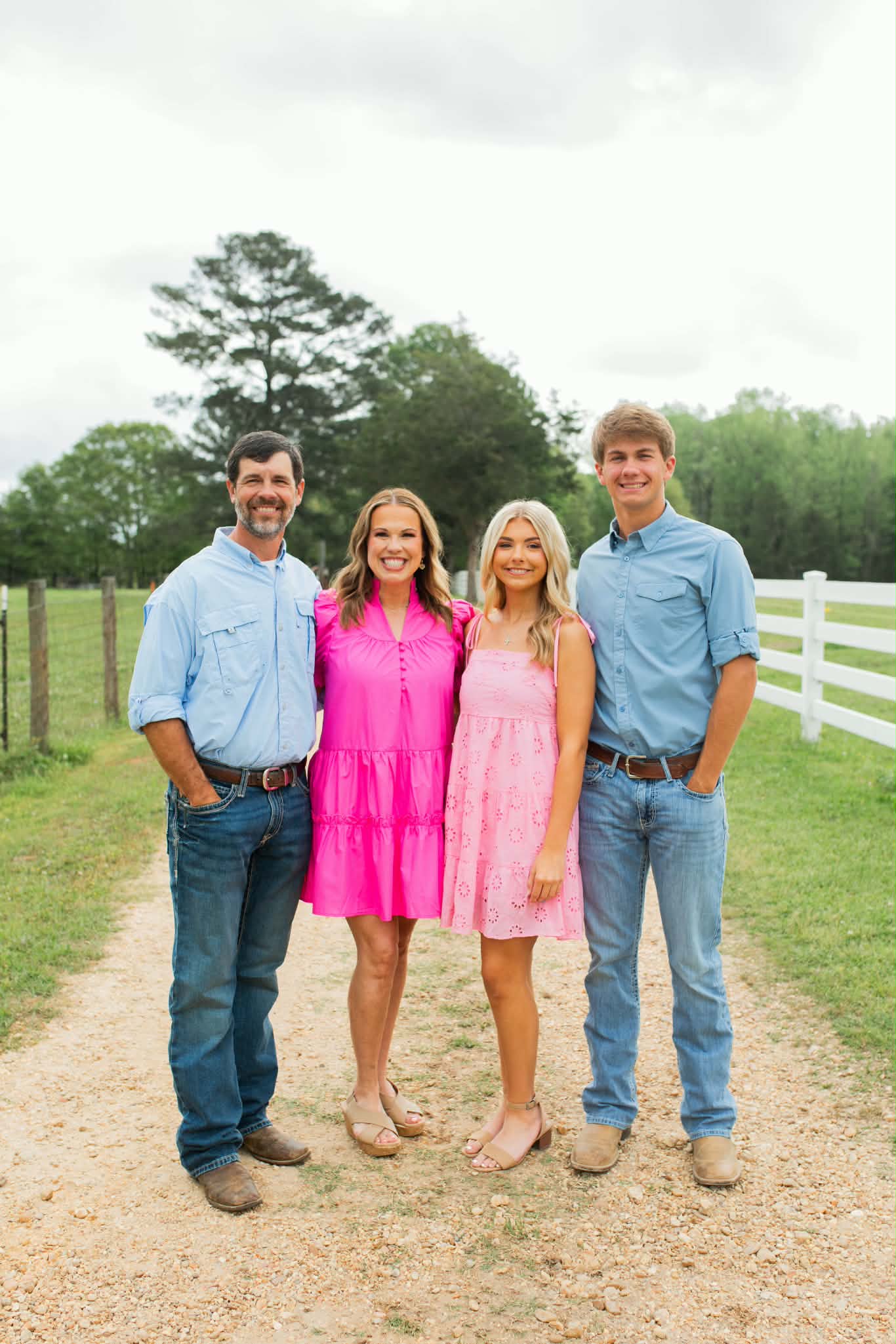
If you had asked Rowe Gillis in middle school what his high school experience would be like, he would never have imagined a long and winding medical journey.
“I was healthy, active, and involved in everything. I was near the top of my class, played baseball, led in FCA and my youth group, and loved being around people,” shared Gillis. “I was voted “Best All Around” and “Most Likely to Succeed.” Life felt normal—and honestly, I took that for granted.”
But in eighth grade, things started to change for Gillis.
“I began having health issues that no one could really explain. At first, it was a respiratory infection and stomach problems. We tried to adjust things—changing schools, focusing on my health—but I still looked like a strong, healthy athlete on the outside,” explained Gillis. “Then, at the beginning of my freshman year, everything changed.”
What started as a simple stomach virus turned into constant, unbearable nausea and pain. Gillis went from being active to barely being able to get out of bed. For months, his parents, Lee and Celeste Gillis, took him to doctor visits, made hospital trips for tests, and seemed to always end up with more questions than answers.
“I had blood work, scans, an endoscopy, colonoscopy, ultrasounds—everything. Eventually, doctors said my gallbladder wasn’t working, so it was removed. For a short time, I felt better. We thought we had finally figured it out,” shared Gillis.
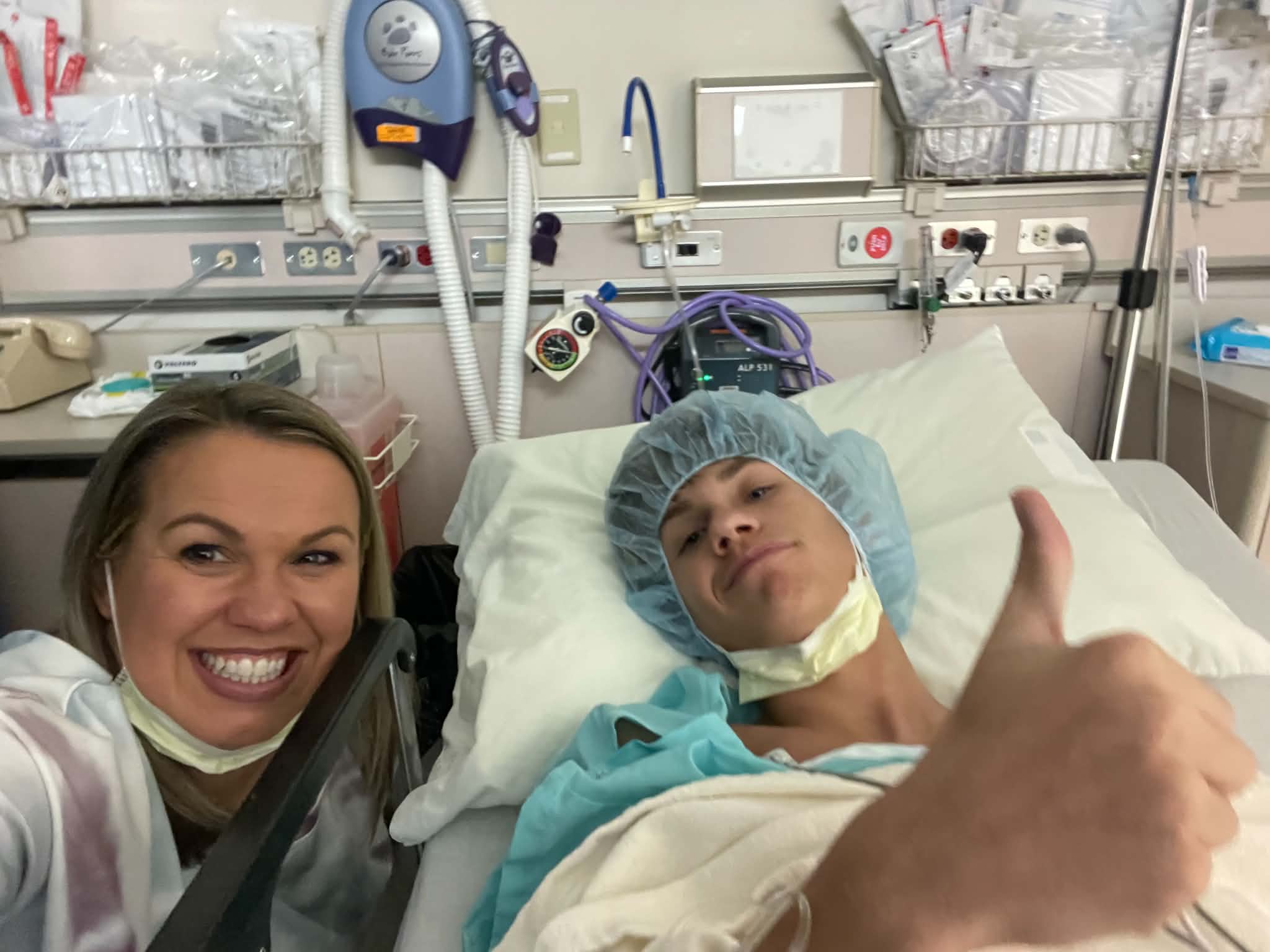
The family’s worst fears happened; all of Gillis’s symptoms came back, worse. After more testing and searching, a vascular study finally revealed what was really going on.
“I was diagnosed with Median Arcuate Ligament Syndrome (MALS), a rare condition where a ligament was compressing a major artery in my abdomen, cutting off blood flow to my organs,” shared Gillis. “That explained everything—why my body was shutting down, why I was so sick, and why nothing else had worked.”
But having a diagnosis didn’t mean having a solution. Median Arcuate Ligament Syndrome (MALS) is considered a rare disorder, affecting approximately 2 per 100,000 people. While the anatomical compression itself (ligament pressing on the artery) is found in 10%–24% of people on imaging tests, the symptomatic syndrome is rare, with many individuals remaining asymptomatic. Since it is not common, little is known about how to treat it.
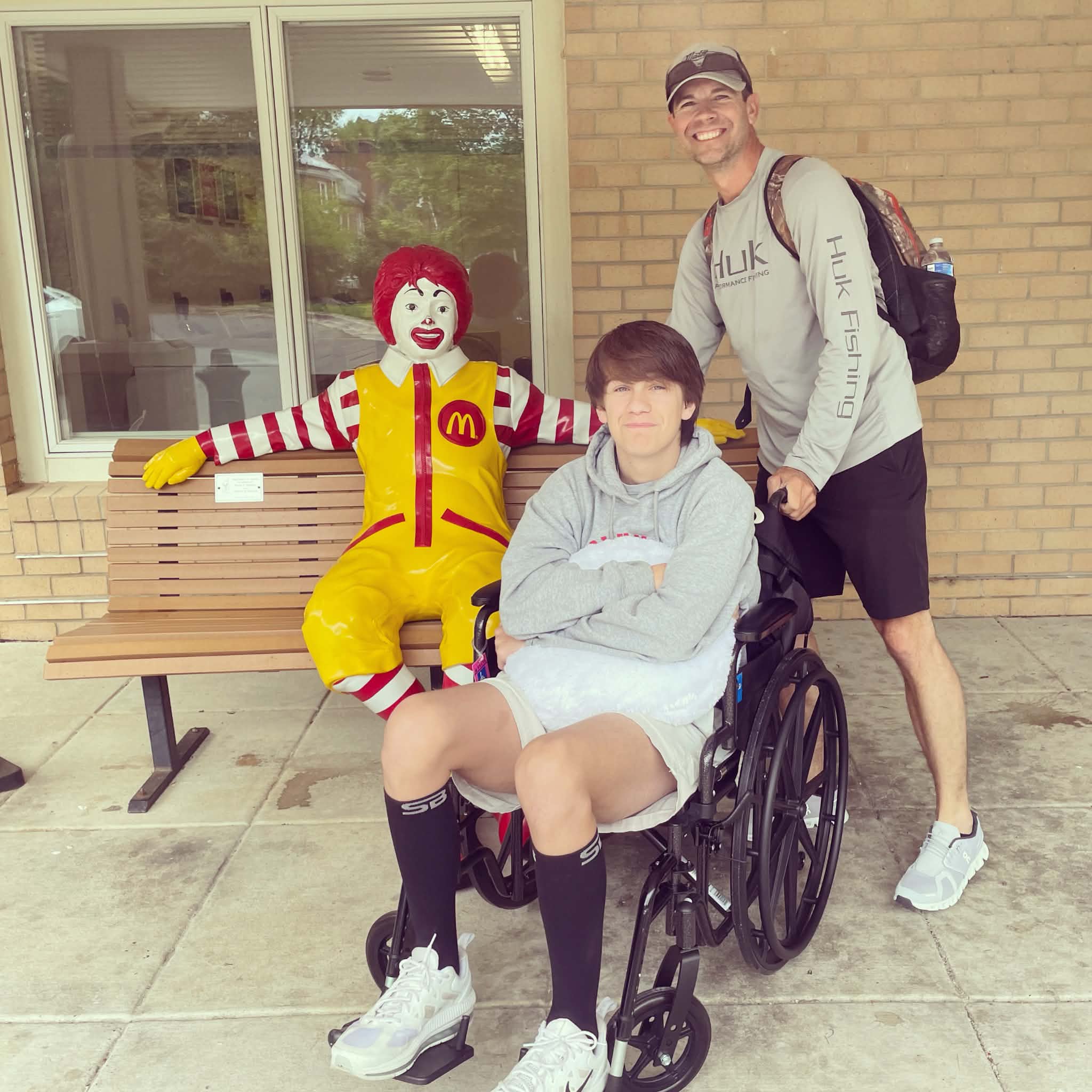
“At that point, I was barely functioning. I had lost a dangerous amount of weight, dropping to around 111 pounds at over six feet tall. I needed a wheelchair for appointments. I was in and out of the hospital, including being admitted to Le Bonheur, where they worked to stabilize me with fluids, feeding support, and medications just to get me through each day,” shared Gillis.
In May of his freshman year, his family traveled with him to Washington, D.C., for a life-saving surgery at Children’s National Hospital.
In May of my freshman year, I traveled to Washington, D.C., for life-saving surgery at Children’s National Hospital. Children’s National Hospital is considered a premier, freestanding pediatric academic medical center ranked among the top 10 children’s hospitals in the nation. It is renowned for its specialized care for complex conditions, including rare vascular compression syndromes.
“The surgeon successfully released the ligament compressing my artery,” shared Gillis. “That surgery saved my life.”
But healing didn’t happen overnight.
“The months after surgery were some of the hardest. My body had been through so much—dehydration, malnourishment, and trauma—that recovery was slow. I dealt with extreme fatigue, migraines, and ongoing POTS symptoms. I was homebound for much of high school, but I refused to fall behind. I worked from bed, pushed through, and still finished each year strong academically,” shared Gillis.
But through all of this, the Gillis family was surrounded by community.
“The Lord used the people around us in ways I will never forget,” shared Gillis. “Friends and family sat with me during some of my hardest days of pain. They brought meals, prayed for us constantly, and showed up in ways that reminded us we weren’t alone. Some even gave financially to help with some of the costs of my surgery in Washington, D.C. When we felt overwhelmed, we were lifted up by the people God placed around us.”
Watching how people were intentional with the family during their darkest seasons changed Gillis for the better, and it is something we can all learn from his journey.
“It taught me to be intentional with others—to show up, to serve, to encourage, and to care in real, tangible ways. I’ve learned that even small acts of kindness can mean everything to someone who is struggling,” shared Gillis.”
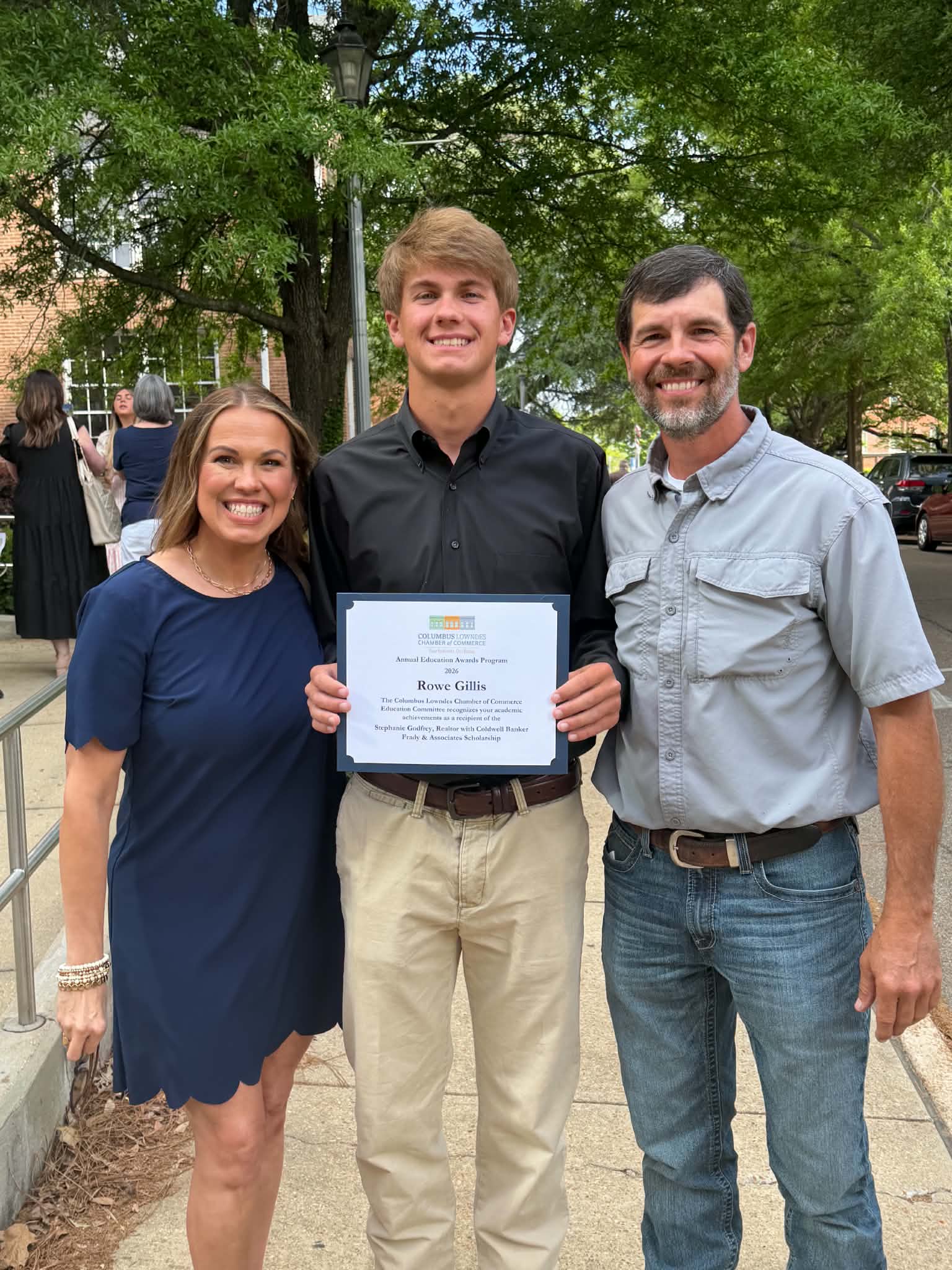
Gillis also decided not to miss out on life anymore. He pushed and tried out for baseball again in his senior year after years away from sports.
“I went through a nine-week tryout knowing my body wasn’t 100%, and even though I didn’t make the team, I don’t regret it for a second. Just being back on the field was a win for me,” shared Gillis.”
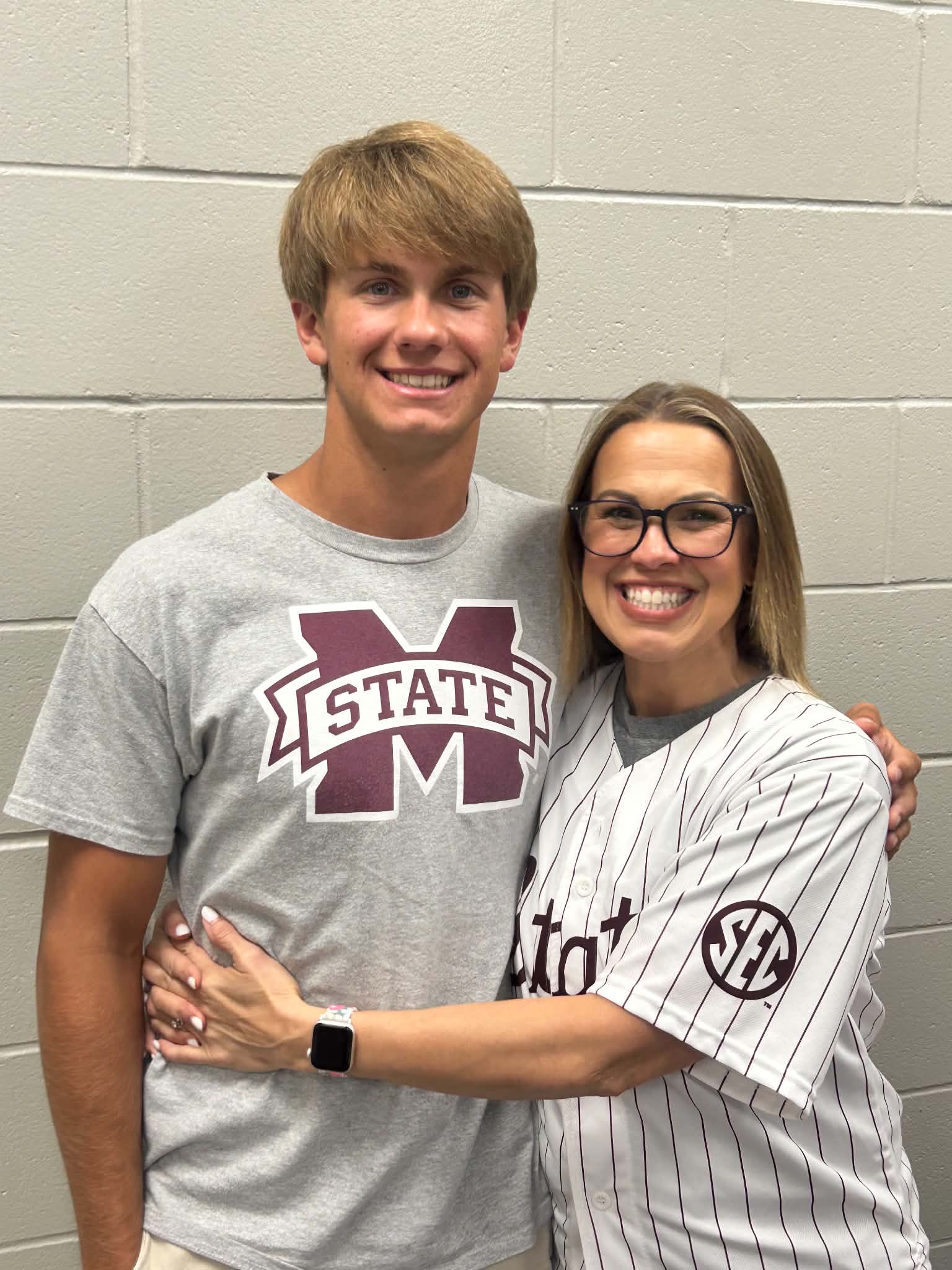
Gillis pushed himself academically, earning dual credit hours and preparing for college. He’s heading to Mississippi State University, something that once felt impossible during his sickest days. But one of the most meaningful parts of his journey has been helping others.
When asked what was the one symptom that stood out the most that was linked to the MALS, Gillis said his constant nausea. While still rare, MALS can happen on a spectrum of asymptomatic to excruciating suffering. A lady at Gillis’s church was able to link her long-term health conditions to MALS after hearing his story.
“Chronic illness can feel isolating. I know what it’s like to feel stuck, discouraged, and unsure if things will ever get better,” offered Gillis. “If sharing my story gives someone hope—or helps them keep going—then everything I’ve been through has a purpose.”
