


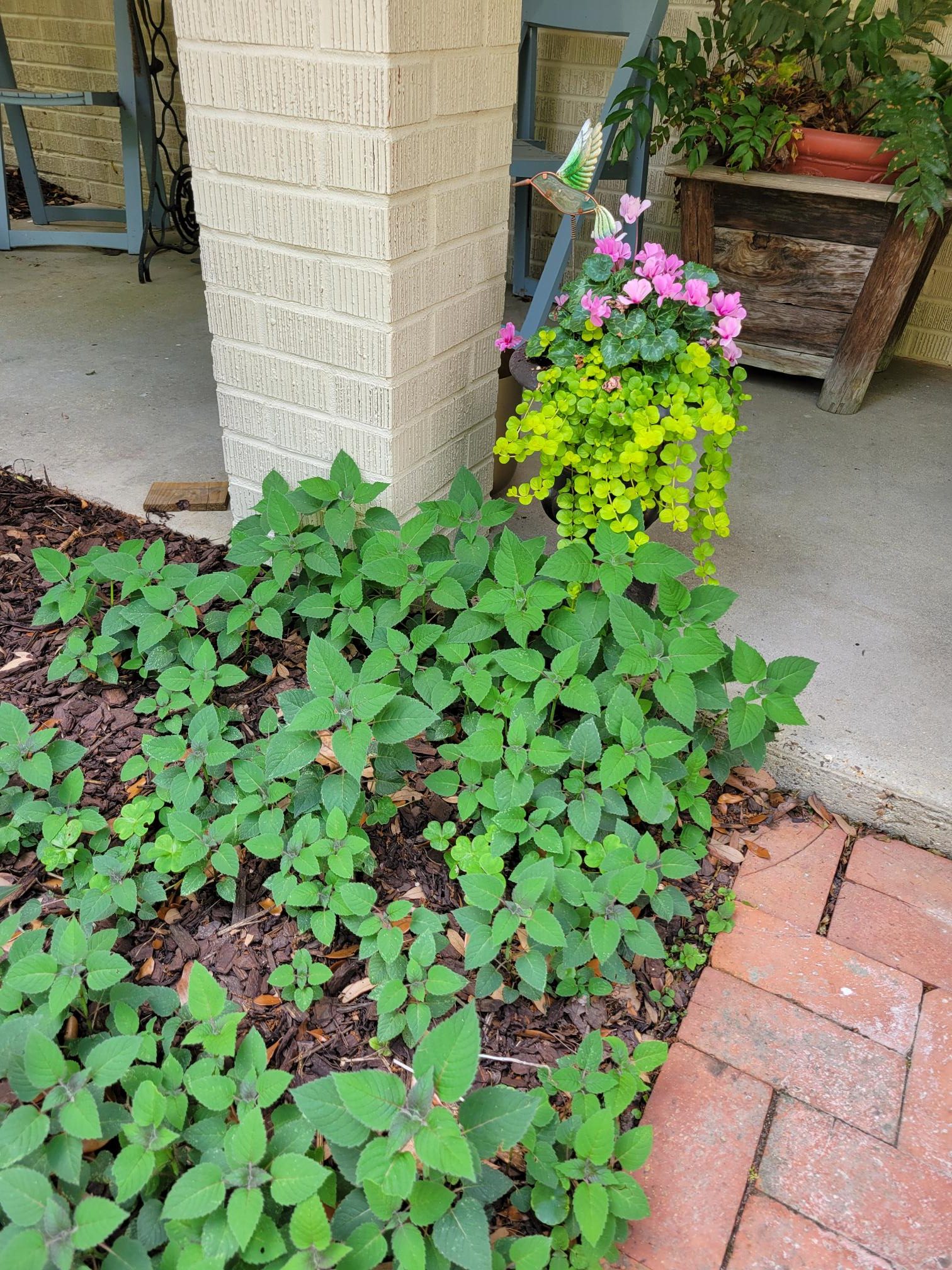
What provides curb appeal, nutrition for birds and habitats for insects with the added bonus of working as a natural insect repellent?
Time’s up. The answer is native plants, and when they are used in the landscape, there is less need for trips to the garden shop to replace those plants, shrubs and trees that didn’t survive a Mississippi winter. Homeowners with a native landscape may frequent the garden center for other items, but this is the time of the year when those gardeners are cutting back the dead to make room for the new growth.
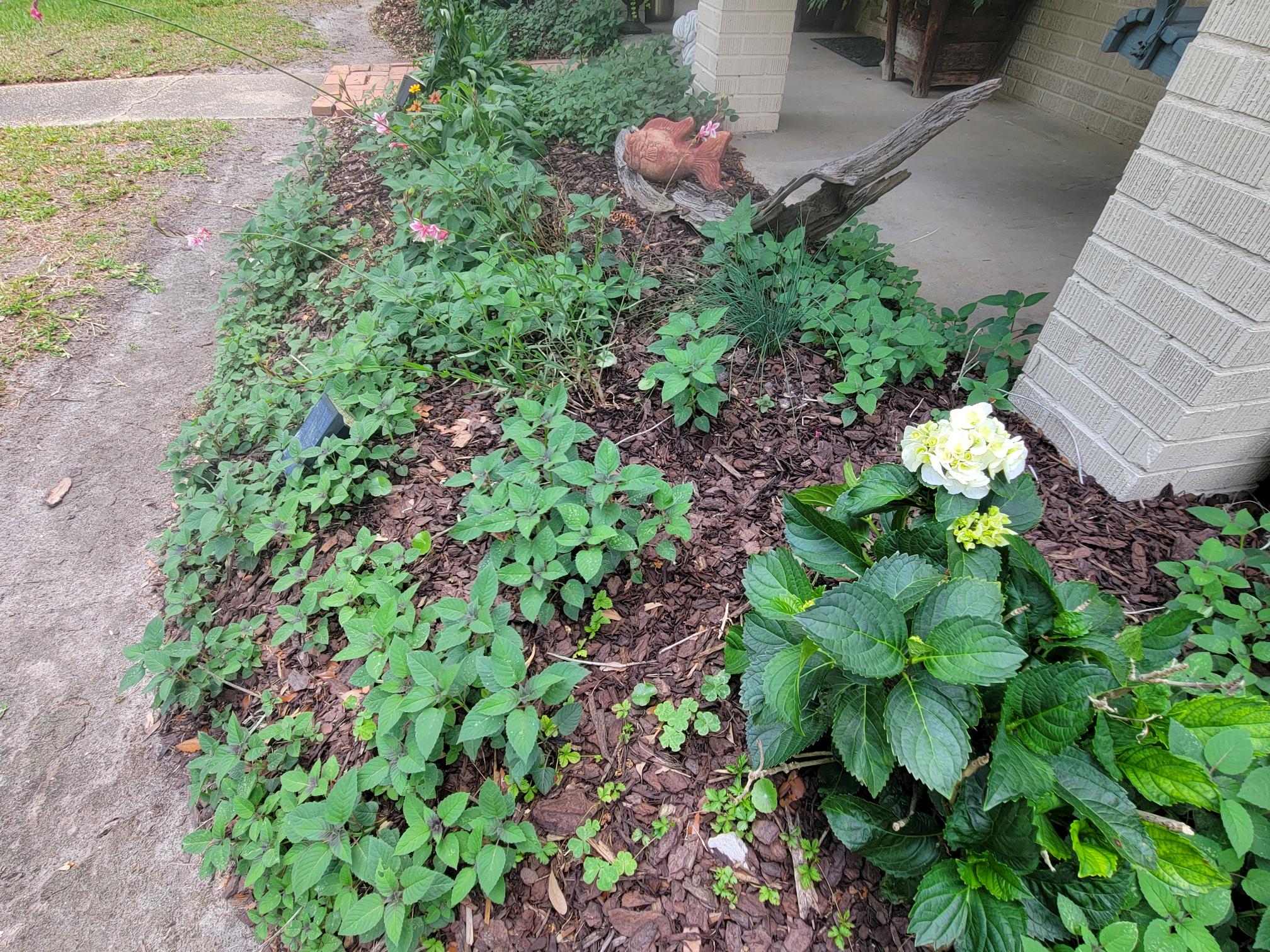
In 2023, the Mississippi Legislature designated April as the official month for native plants in the state. This push for education and promotion of native plants is not for a specific grower or garden club but rather to eliminate the bird and insect desert that has been created by using non-native plants in the landscape.
Kaitlyn Mitchell is an extension associate with the Coastal Research and Extension Center operated by Mississippi State University. While her focus is primarily on coastal native plants, she is a huge proponent of the use of native plants across the state.
“Native plants support local wildlife including many pollinator species, birds, and more,” she said. “Natives are also adapted to the areas they are found making them generally easier to care for long-term.”
Determining which plants are best for your area may be tricky. Ms. Mitchell suggests contacting local experts, like the county Extension Agent, or researching and understanding more about the location to be planted. This includes soil type, weather, sunny or shade, temperature, and elevation, just to name a few.
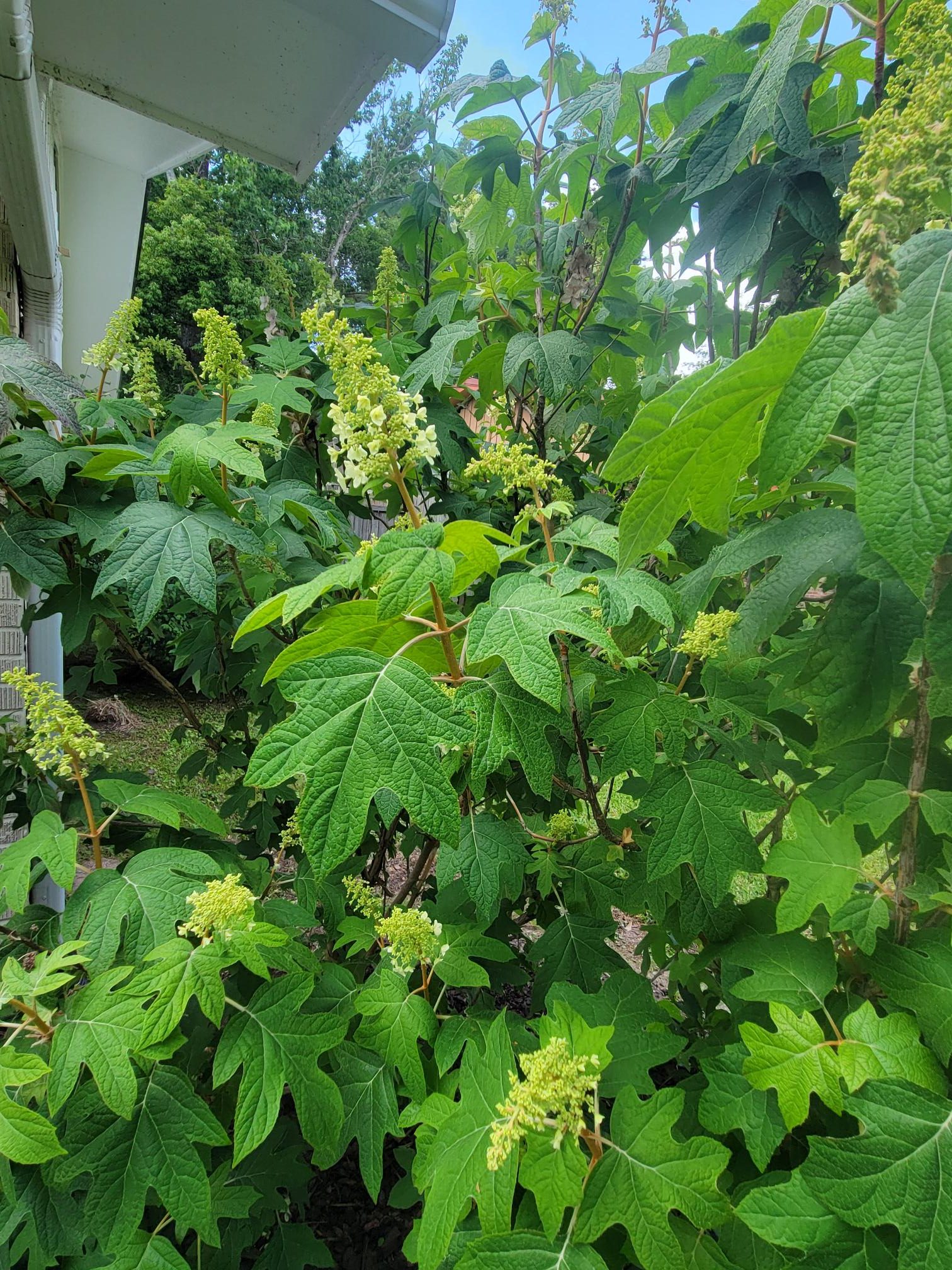
Bird feeders are great for attracting birds to your home, but a tree that attracts nutritional insects does a better job and may also provide repellent for pesky insects. Design the landscape with an eye for beauty but also as an oasis for local and migrating birds and insects. Choose plants based on the targeted species.
“Many non-native plants are very beautiful, but in the long run they will not provide the same ecosystem services (benefits to wildlife and humans) as native species,” Mitchell said. “They disrupt ecosystems as many can become invasive and take over landscape.”
Non-natives also usually do not have the adaptations that natives have, making them harder to take care of; whereas, native species are just as beautiful and will serve individual landscapes and the environment in greater ways.”
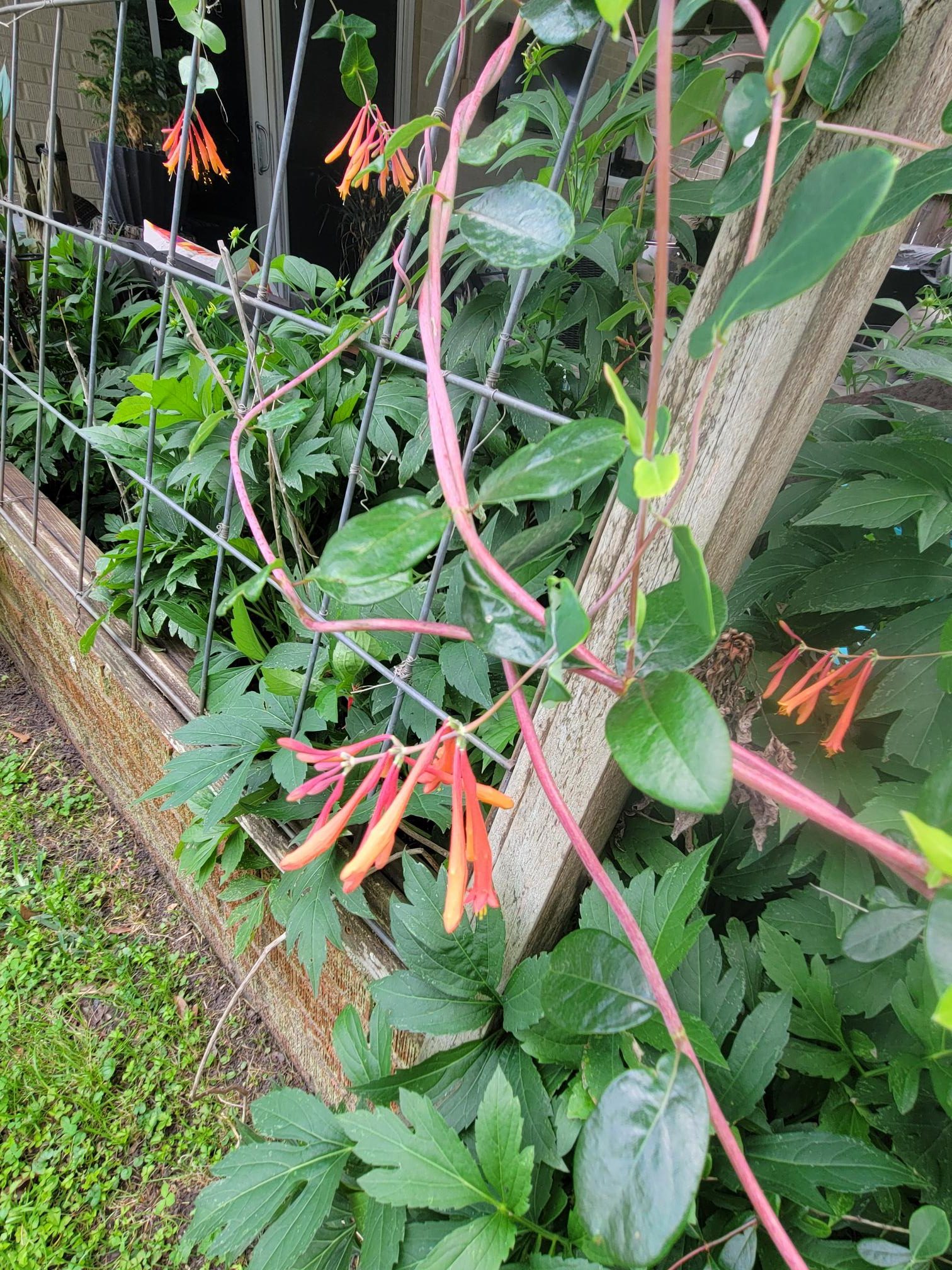
Mississippi State also operates a Native Plant Producer Network out of its coastal location. It is designed to education the community on coastal restoration and living shorelines.
“The Native Plant Producer Network (NPPN) run out of our office here in Biloxi is teaching members of the community how to produce native wetland plants for coastal restoration, and we are working toward producing more ‘pretty’ upland natives that folks can use in their shorelines and yards.”
When choosing plants, it is also important to understand that native and non-native plants can co-exist, but it is important to choose non-natives that are non-invasive and also provide nutrition or habitat benefits to wildlife.
To help choose native species for local landscapes, the National Wildlife Federation offers a plant finder that will generate specific species best suited for individual regions. The plant finder also provides information on where and how to plant and what it attracts.
