



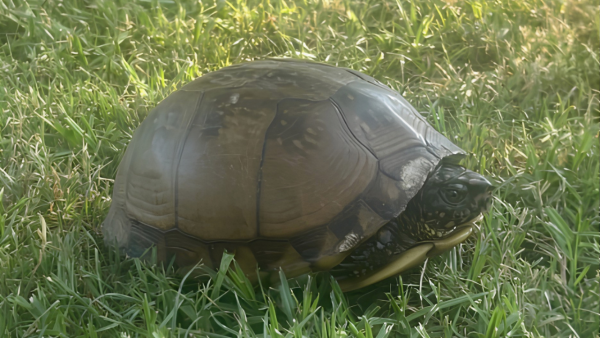
From late spring through summer, turtles begin migrating in preparation for mating season. This annual trek can put the reptiles in great danger when they cross roads. However, there are steps you can take to protect turtles during this time of year. Learn more in the full fact-check below:
The Orianne Society reports female turtles often haul themselves across roads in search of a place to lay eggs. Andrew Heaton, a biologist with the Grand Bay National Estuarine Research Reserve, said male turtles also cross roads for reasons such as foraging, but at a much lower rate. Many of these turtles end up as roadkill, negatively affecting local populations.
Moving turtles from roads to safer areas can be tricky, but it can greatly benefit turtle populations if done safely. Heaton said an important thing to remember is that moving turtles off roads is not the same as relocating them.
“Moving them off the road isn’t the same as moving them like five miles away — putting them in a different patch of woods,” Heaton said. “Box turtles can have a small home range. Some people say it’s as little as a 250-yard radius, but some people say a certain number of miles.”
If you need to relocate a turtle for any reason, call an organization such as Central Mississippi Turtle Rescue at (601) 672-1418 or (662) 985-3535 for help. The Mississippi Department of Wildlife, Fisheries and Parks can also help with treatment for injured animals. Call the department at (601) 432-2199.
Heaton said when you see turtles on the road, “You always want to move them in the direction that they’re going but never put yourself or other people in danger to do so.”
For more tips, visit the U.S. Fish & Wildlife Service website.
According to the National Mississippi River Museum & Aquarium, mating season for box turtles is usually spring through summer and into October, while red-eared sliders typically breed from March through early September.
