



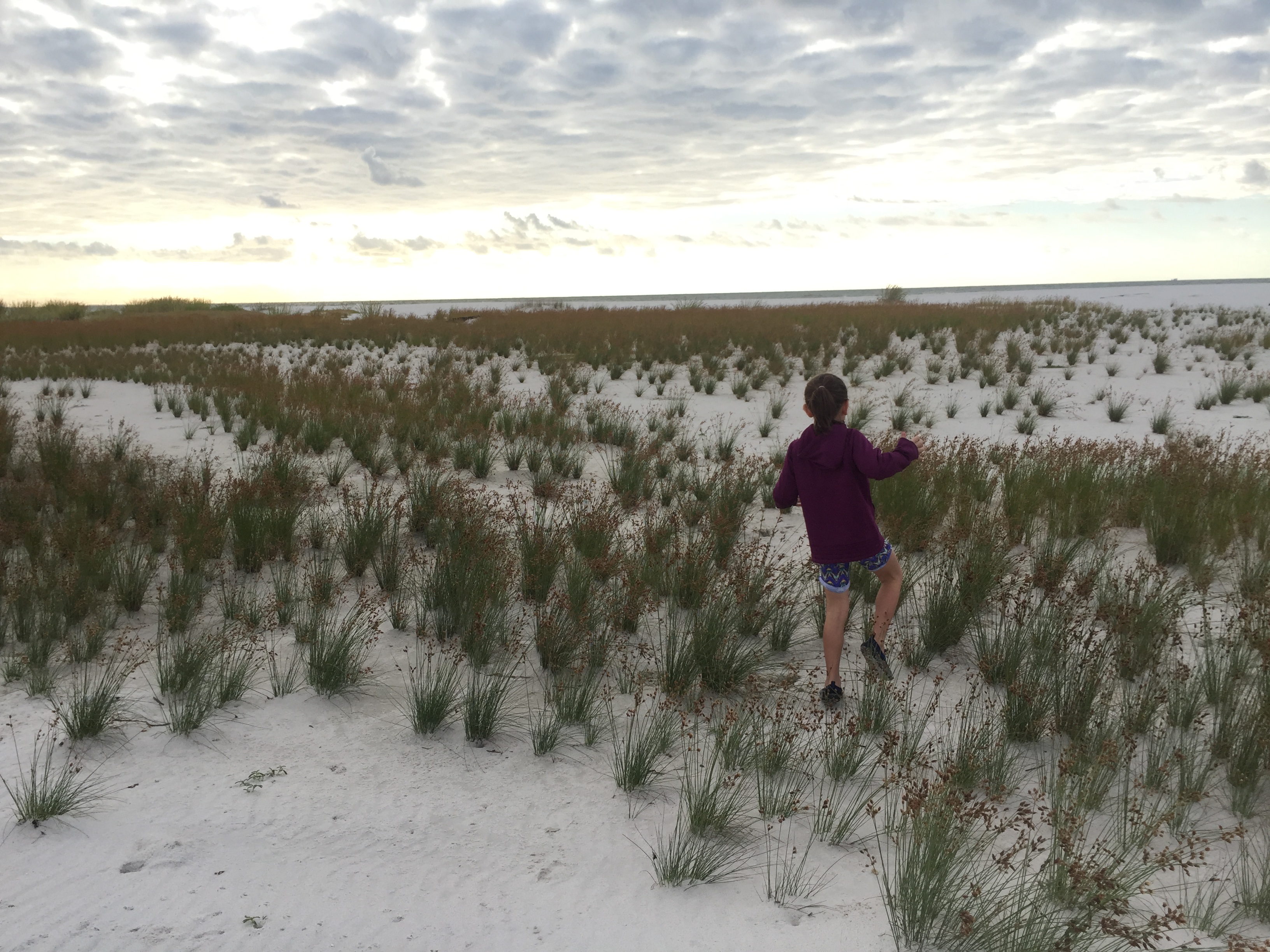
When you’re a child, you assume the world you know is the world everyone knows. Growing up on the Mississippi Gulf Coast, I never stopped to consider how lucky I was to have the barrier islands sitting just beyond the horizon.
The barrier islands were simply part of life. For coastal families, a trip to the islands was as normal as a trip to the park. It wasn’t until I got older that I realized most people don’t grow up with the ability to launch a boat in the morning and spend the day on a stretch of undeveloped shoreline miles from the mainland.
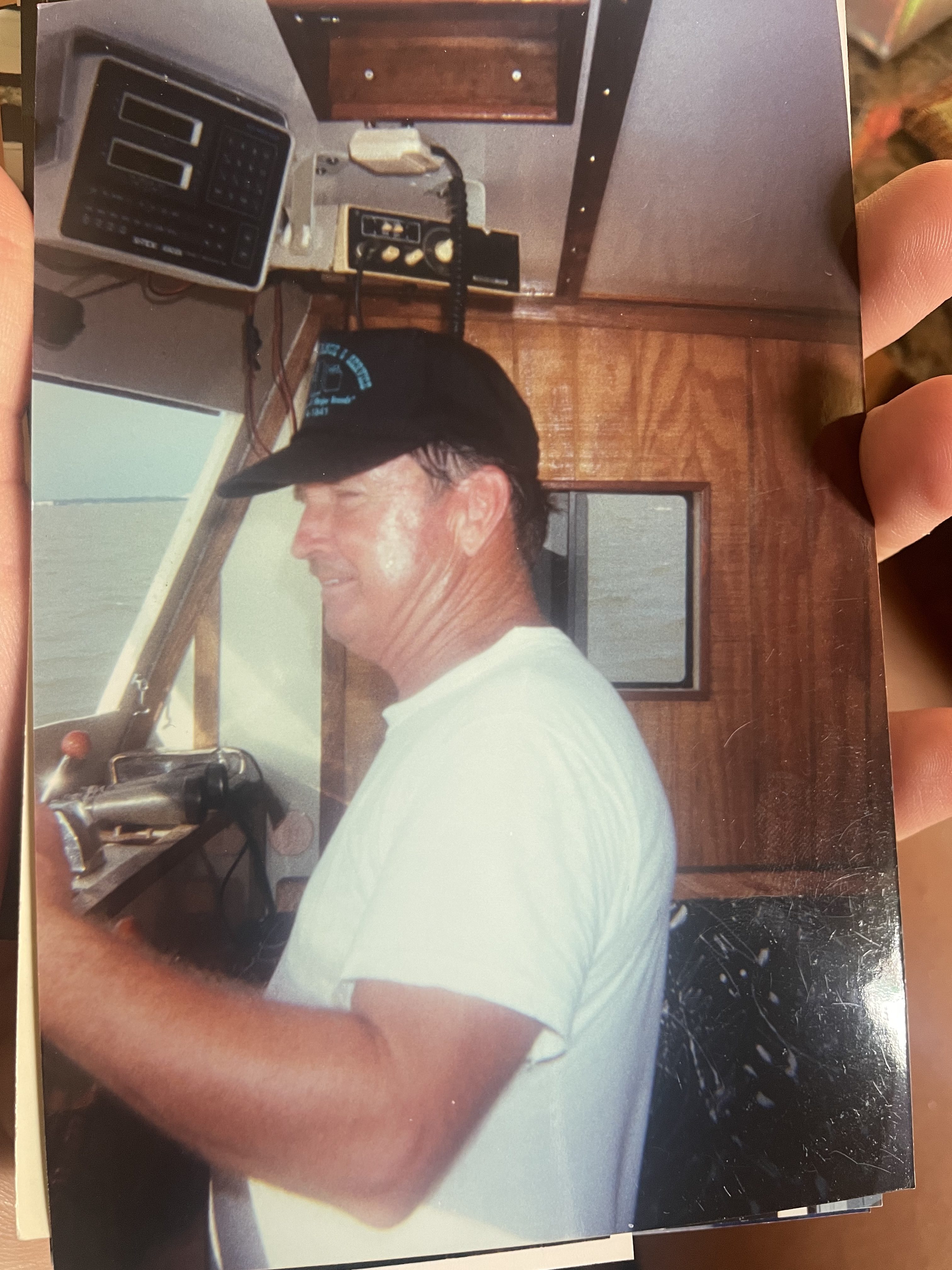
Some of my favorite childhood memories begin before sunrise. My dad would keep an eye on the weather and the wind, waiting for the perfect day. When he finally announced that we were going to the island, the excitement started immediately. There was the sound of the boat motor coming to life, the whistle of the engine, the smell of gasoline lingering in the air, and the anticipation of heading somewhere that felt far away even though it was only a short ride from home.
I always claimed my spot on the bow of the boat. The closer we got to the islands, the more the world seemed to change. The mainland disappeared behind us, and the water stretched in every direction. By the time the boat touched shore, it felt like we had arrived somewhere entirely different.
Our favorite destination was Petit Bois Island. The moment my feet hit the sand, I was off searching. Driftwood, shells, and treasures left behind by the tide. Anything I could collect and bring home. Long before I was creating art from oyster shells, I was gathering pieces of the coast and imagining what they might become.
My mom was usually close behind, helping me look for shells and making sure I didn’t wander too far. Looking back, those walks may be some of my favorite memories of all. There was never a rush. Just miles of shoreline, the sound of the waves, and the feeling that we had the entire island to ourselves.
The fishing was just as memorable. Some of the best fish I have ever eaten came from waters surrounding those islands. We’d catch white trout, and my dad would clean them right there on the beach. Wrapped in foil with lemon and seasonings, they would cook over a fire while the Gulf breeze blew through the dunes. There may be fancier meals in the world, but I haven’t found many that taste better than fish caught and cooked the same day on a barrier island.
By the end of the day, I would be covered in salt, sand, sunscreen, and lugging whatever treasures I had collected along the way. Like most kids after a full day in the sun, I was usually exhausted.
On the ride home, my dad always made sure I had a place to rest. He would spread towels out beneath the console where he steered the boat, giving me a little spot to curl up out of the wind. Sometimes the water would be rougher on the way back than it had been that morning.
I can still remember looking out from my little spot and watching water spray up along the sides of the boat every time we hit a rough patch. My mom would be sitting nearby, her hair blowing in the wind, trying to keep a cigarette lit while occasionally taking a face full of saltwater when we hit a wave wrong.
Curled up beneath the console, I would rest my head against the bottom of the boat. With the wind whistling past one ear and the sound of water rushing along the hull in the other, I’d watch the Gulf roll by and let the rhythm of the ride put me to sleep.
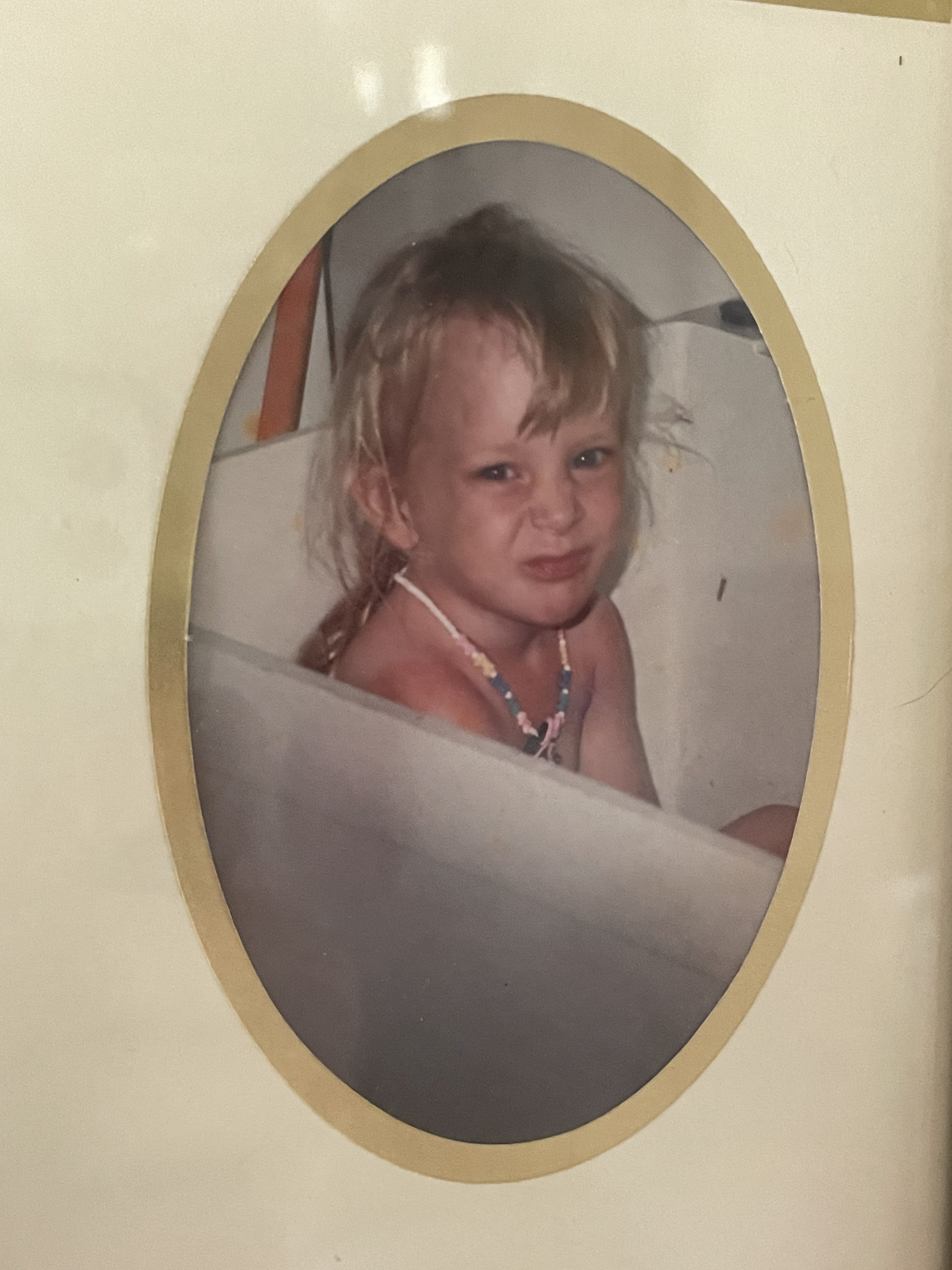
When we got home, my mom would sit me in the utility sink in our laundry room and wash the island off of me.
I remember sitting in the warm water, watching the sand settle into the corners of the sink as it rinsed away. Sometimes the shells I had collected that day would be in there with me, getting cleaned off before I proudly added them to my growing collection. I would swirl the water around with my hands and watch the grains of sand drift and settle, trying to hold onto the feeling of the island for just a little longer.
What I remember most about the barrier islands, though, is the feeling. The moment your feet sink into the sand, something changes. The noise of everyday life fades away. The islands feel untouched, timeless, and ancient.
For many Mississippi Gulf Coast families, the barrier islands aren’t just scenery on the horizon. They’re part of our family history. Ask enough people who grew up here, and you’ll hear stories about fishing trips, camping trips, shell collecting, cookouts on the beach, and long days spent exploring places that felt wild and untouched. The islands become part of you in a way that’s hard to explain unless you’ve experienced them yourself.
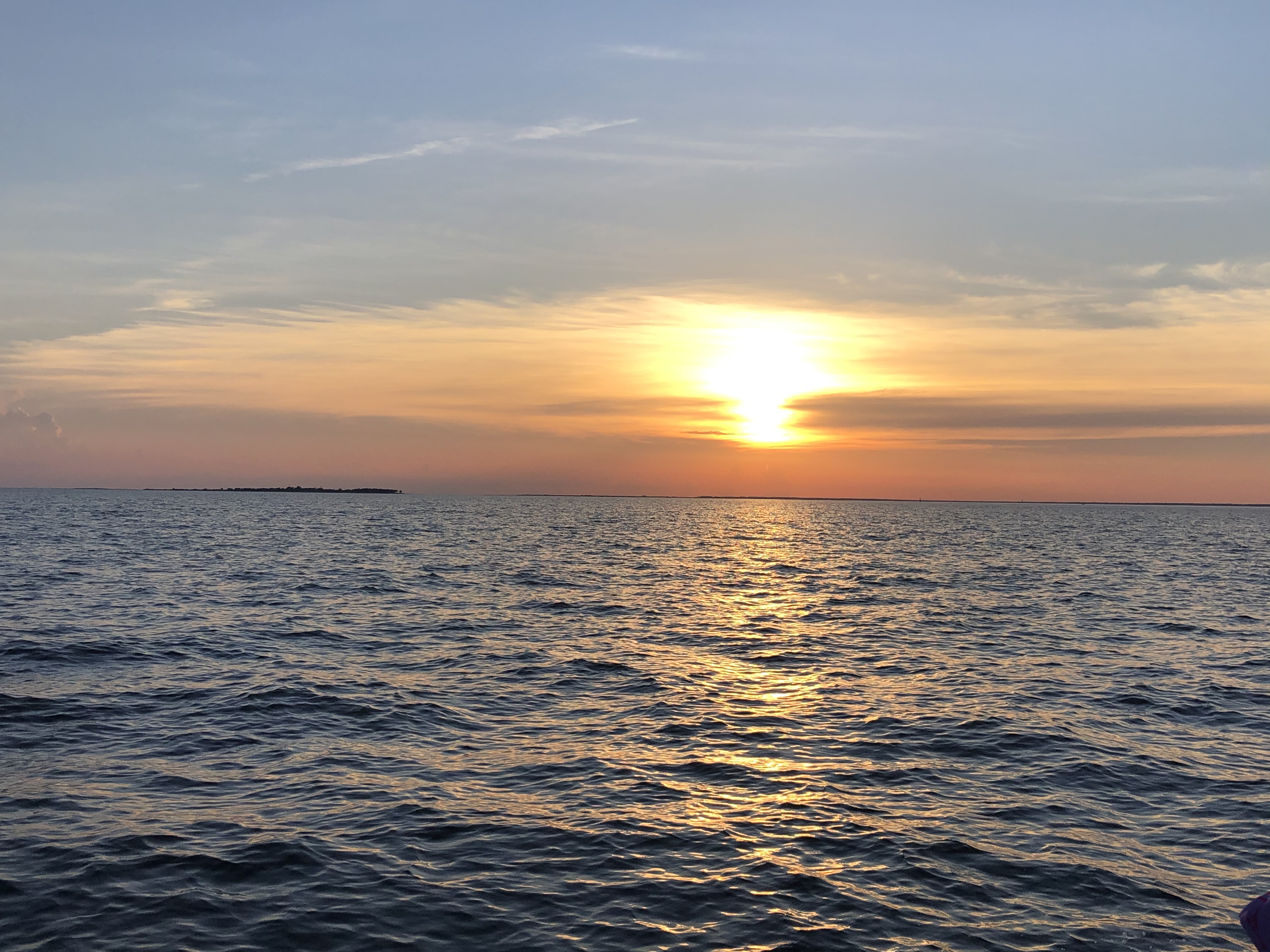
Maybe that’s why so many people who grow up on the Coast carry the islands with them wherever they go. They become part of who you are. Years later, the smell of salt air, the sight of a sandbar, or the sound of a boat engine can bring it all rushing back.
As an adult, I find myself returning to those memories often. The smell of diesel fuel still takes me back to the days my Uncle Robert, a shrimp boat captain, would load the entire family onto his shrimp boat and take us out to Horn Island. Those trips felt larger than life when I was a child.
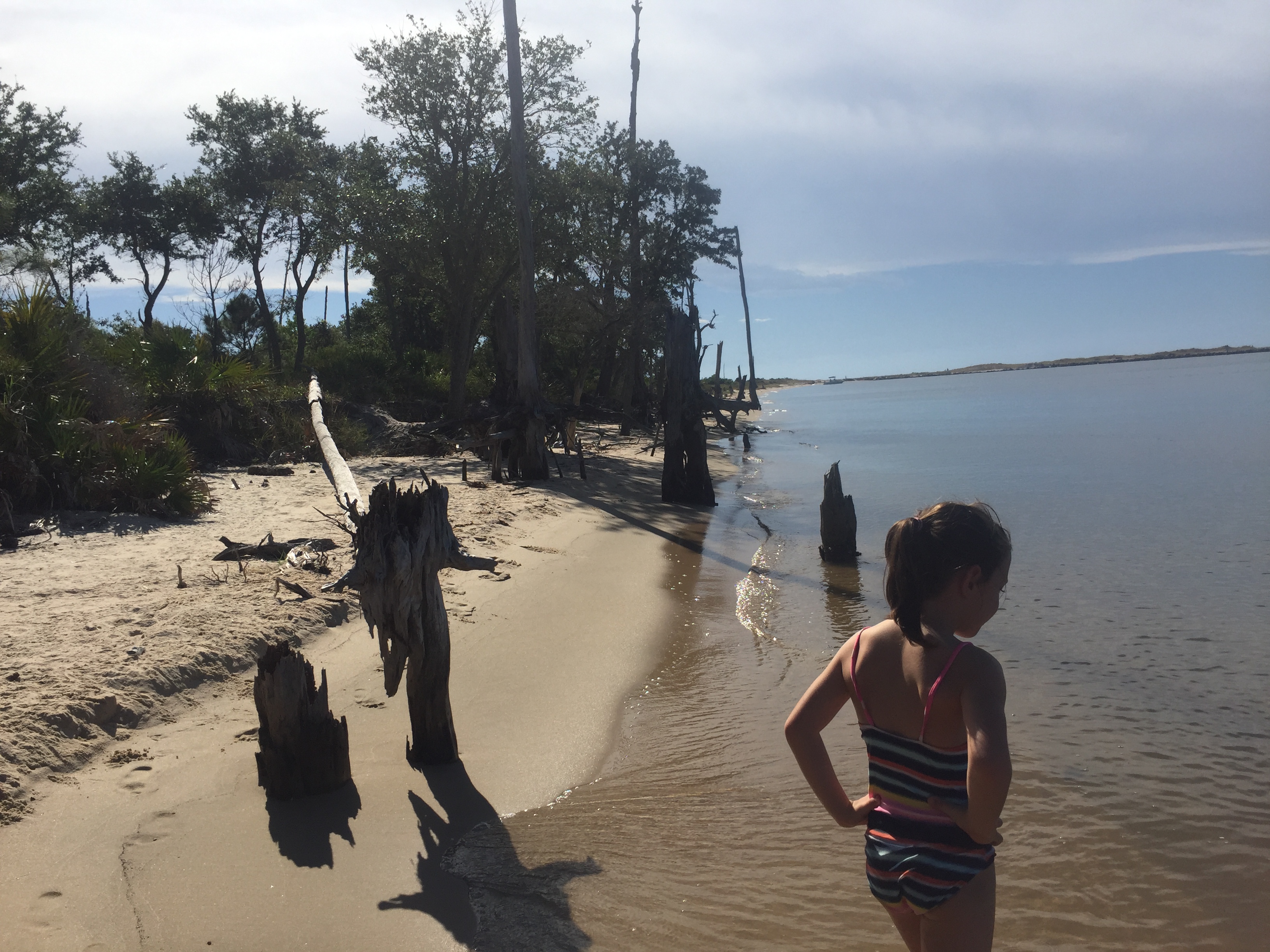
So perhaps this is a love letter to the barrier islands. Not just for their beauty, but for the memories they hold. For the families they have brought together, the traditions they have shaped, and the childhoods they have helped create. They are more than strips of sand on the horizon. For many of us who grew up on the Mississippi Gulf Coast, they are a part of who we are, and they always will be.
*All photos are courtesy of Chelsey George
