



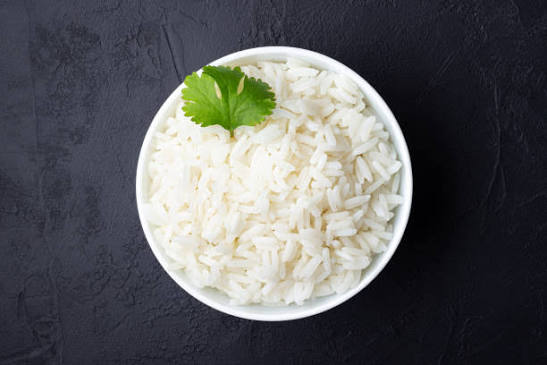
Rice cookers are among the most versatile appliances in a home kitchen. While they’re best known for cooking rice, they can be used for much more. Commercial models can hold more than 10 pounds of rice, while most home units are designed to cook five cups or less. The electric rice cooker was first developed by Toshiba engineers in Japan in 1955.
Before electric rice cookers became common, preparing rice required constant attention to prevent it from burning. It wasn’t something you could simply walk away from while it cooked. Of course, some people would argue there was one benefit to scorched rice—the crispy, crunchy layer left at the bottom of the pot.
One favorite way to prepare rice is to start by adding butter, plenty of garlic, red pepper flakes, and cubed smoked ham to the rice cooker. Once the garlic becomes fragrant, stir in the rice and toast it lightly in the butter before adding stock and letting it cook.
While canned chicken stock works just fine, you can add even more flavor by simmering leftover roasted chicken bones in the stock along with a few vegetables before using it in your recipe.
Americans tend to favor long-grain rice, but preferences vary widely around the world. In Thailand, jasmine rice and sticky rice are especially popular. Sticky rice is often rolled into small balls and used to scoop up other foods. In Japan, short-grain japonica rice is the preferred variety, while different regions of China enjoy both jasmine and japonica rice depending on local traditions.
Rice plays an incredibly important role throughout much of Asia, where it serves as a daily staple and is deeply woven into culture and tradition. In some rural communities, families own small plots of land that are farmed by local growers, with the harvested rice distributed according to each family’s share of the land.
Because rice is such an essential part of daily life, it is treated with great respect. Leftover rice is rarely wasted and is often incorporated into future meals.
If you’re interested in exploring a wider variety of rice, including many specialty and imported options sold in large bags, visit Lee International Market on Division Street in Biloxi.
