


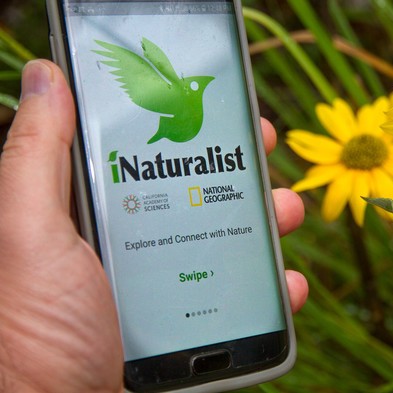
Identifying living things in our world has become as easy as opening up an app on your phone. But which one to use? There are so many, most focused on specific groups of organisms. But one app stands far above the rest. As a naturalist and scientist, the only app I use is iNaturalist. Let me explain why.
To put the “why” in context, let me explain the challenge of identifying organisms of any kind. Prior to the internet, and now artificial intelligence, identifying anything required books for specific groups of organisms, that you hoped included the plant or critter before you. Given the large number of species in our world, and our relatively limited knowledge of what species exist, your chances of getting a positive ID were only possible for the most common species.
For insects alone, about 1 million species have been described worldwide, with anywhere between 2 to 30 million estimated to exist. Yet, many common organisms can be identified. Having confidence about that identification is, however, important, leading back to why iNaturalist works.
The app itself is free to use, uploaded to iPhone or Android devices and accessible through your computer. Using it is as simple as taking good quality photos or audio recordings (tutorials on the site help you understand how) directly from your phone or uploaded through your computer. The automated species identification tool compares these uploads to an ever-expanding database of photos that provides you with suggested identifications.
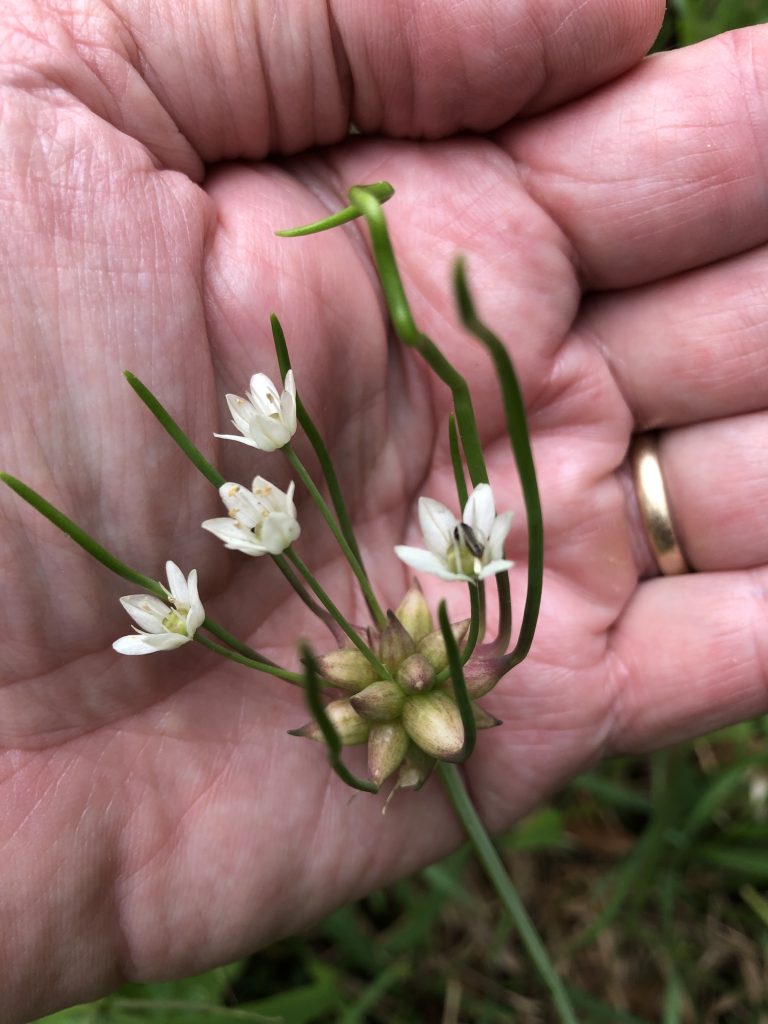 What makes this app superior to others is what happens next. Your choice is shared across the globe with other members of the iNaturalist community, including experts with all types of organisms, including research scientists. These identifiers interact with you directly (through the app) to confirm the suggested identification or provide their own suggestion. These are personal connections that may include their requests for more details that help them confirm the identification, add more details from your observation, or answer questions that you may have.
This is a gamechanger for many reasons, the most important being how iNaturalist has connected citizen scientists and researchers across the globe. The most recent stats list over 319 million observations, reported by 2.5 million observers, with engagement from 330,000 plus identifiers worldwide.
But beyond these stats lay the real impact: a better understanding of biodiversity around us. Established iNaturalist Projects let users contribute to better understanding of specific groups of organisms or natural areas. The Discovering Nature on the Singing River Project, sponsored by the Pascagoula River Basin Alliance, includes 15 defined natural areas within the Pascagoula River watershed where observations contribute to continuing inventory of organisms.
Over its 18 years of existence, the iNatualist portal has helped the scientific community discover new species, rediscover species not seen in years, define ranges of species, and much more. In many cases, observations by citizen scientists like you have made these discoveries possible. Best part of all is that you do not need to know what you are recording to contribute.
To get started, download the free iNaturalist app onto your phone. For families and youth under the age of 13, the free Seek app, sponsored by iNaturalist, requires no online registration, keeping observations private, and children safe. So, join the fun of learning about the natural world around you, with the help of experts from across the world. iNaturalist is a collaboration between the California Academy of Science and the National Geographic Society.
Hope to see you in our great outdoors!
