



Mississippians have long memories when it comes to weather. We remember hurricanes by name, floods by river height, and winter storms by the silence that follows when the power goes out and the world turns glassy and still. That’s why this week’s forecast has many North Mississippi families thinking back to February 1994.
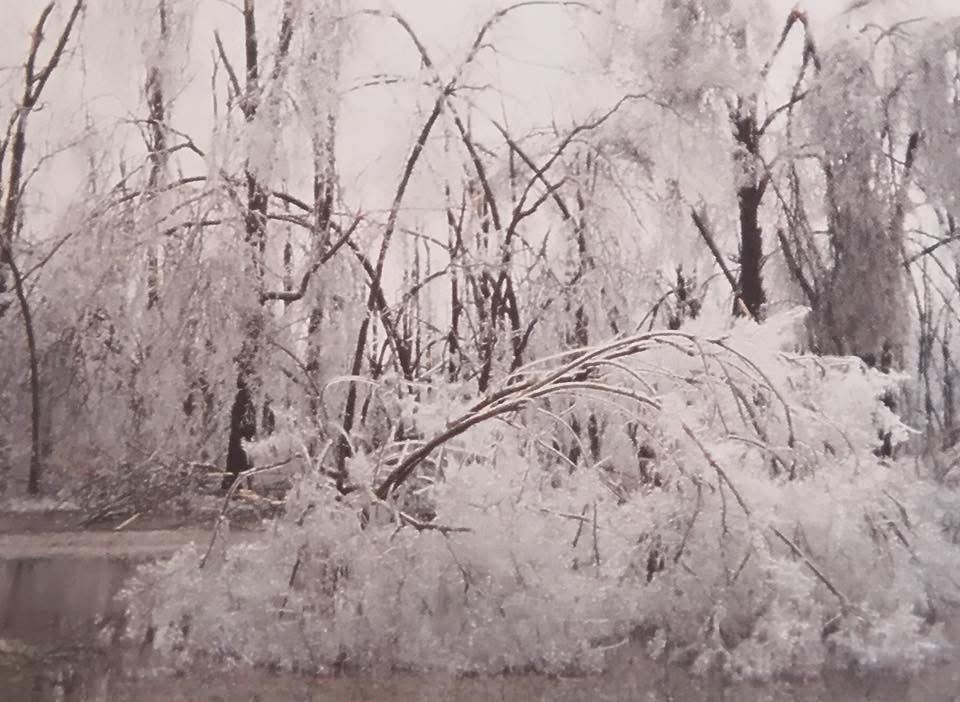
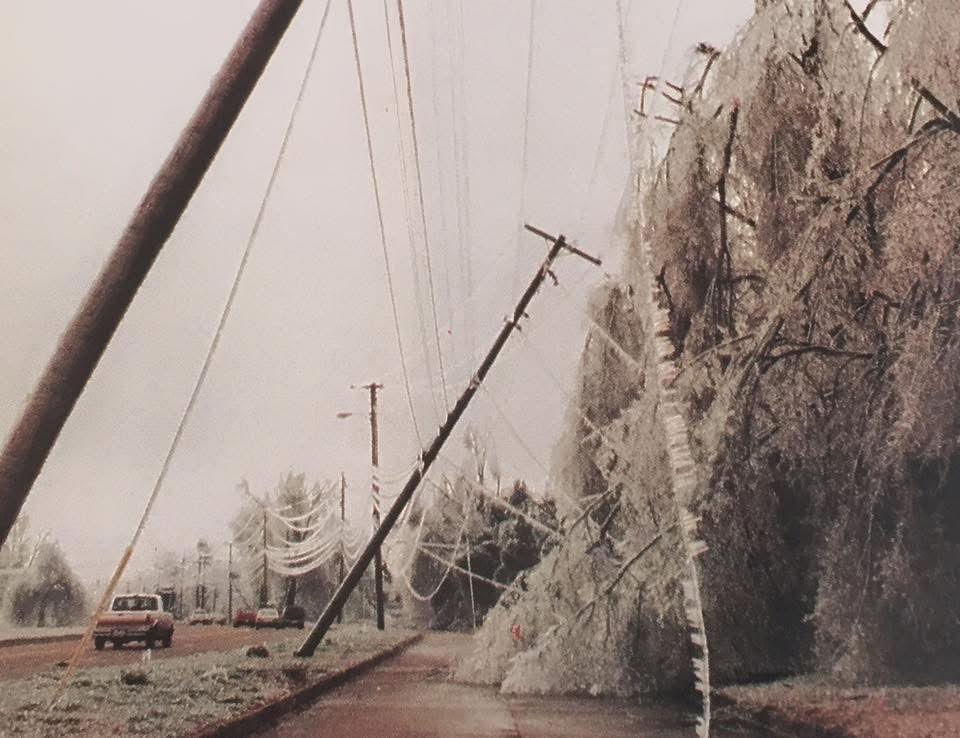
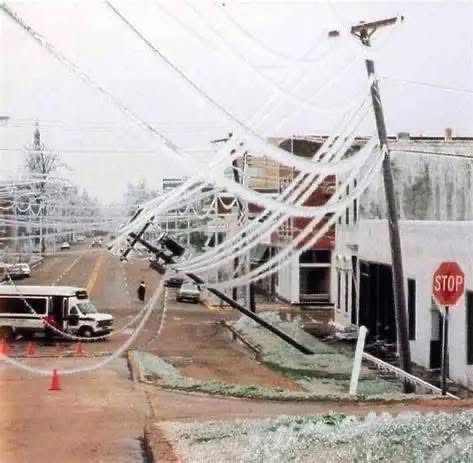
That winter, an ice storm froze the Delta and much of North Mississippi in place. Freezing rain began the evening of February 9, 1994, and by the morning of February 10, ice had spread across the Delta to its greatest extent. Temperatures hovered in the upper 20s and never climbed above freezing that day. While areas farther south began to thaw, the heart of the Delta only worsened.
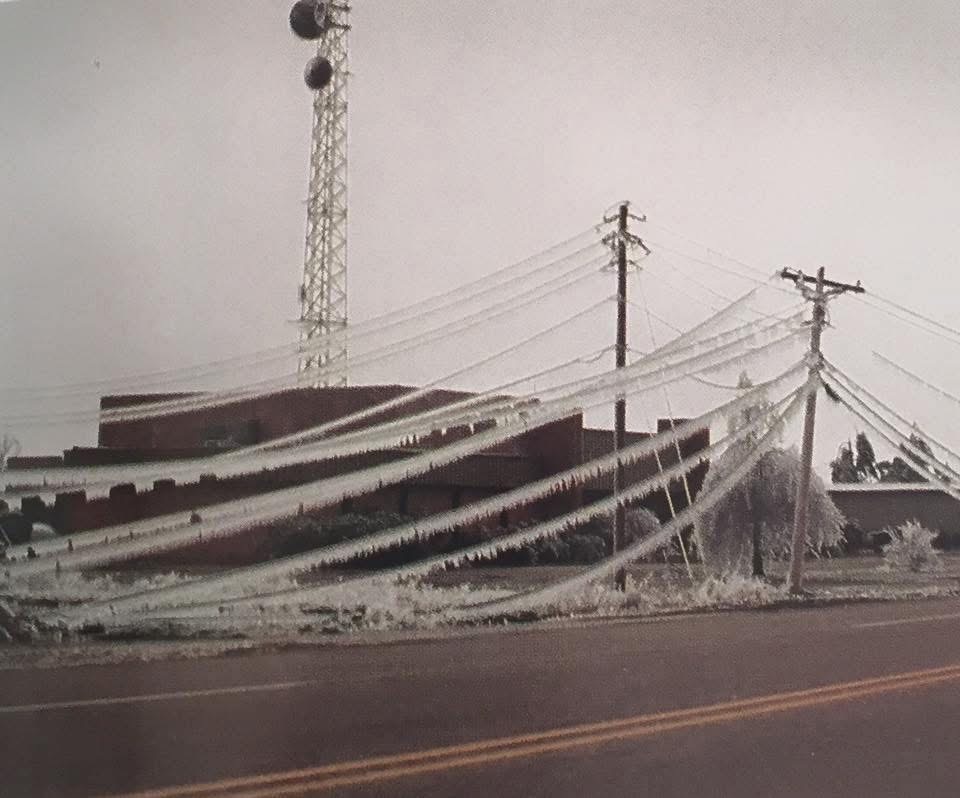
The damage was staggering. Nearly 750,000 people were without power at some point, some for weeks—up to a month in the hardest-hit areas. More than 8,000 utility poles fell under the weight of the ice, along with over 4,700 miles of power lines. About 490 water systems were impacted, leaving hundreds of thousands without water. Across North Mississippi, roughly 3.7 million acres of commercial forestland were significantly damaged, with timber losses estimated at $1.3 billion. Urban tree damage added another $27 million. A quarter of Mississippi’s pecan crop was lost, affecting growers for years.
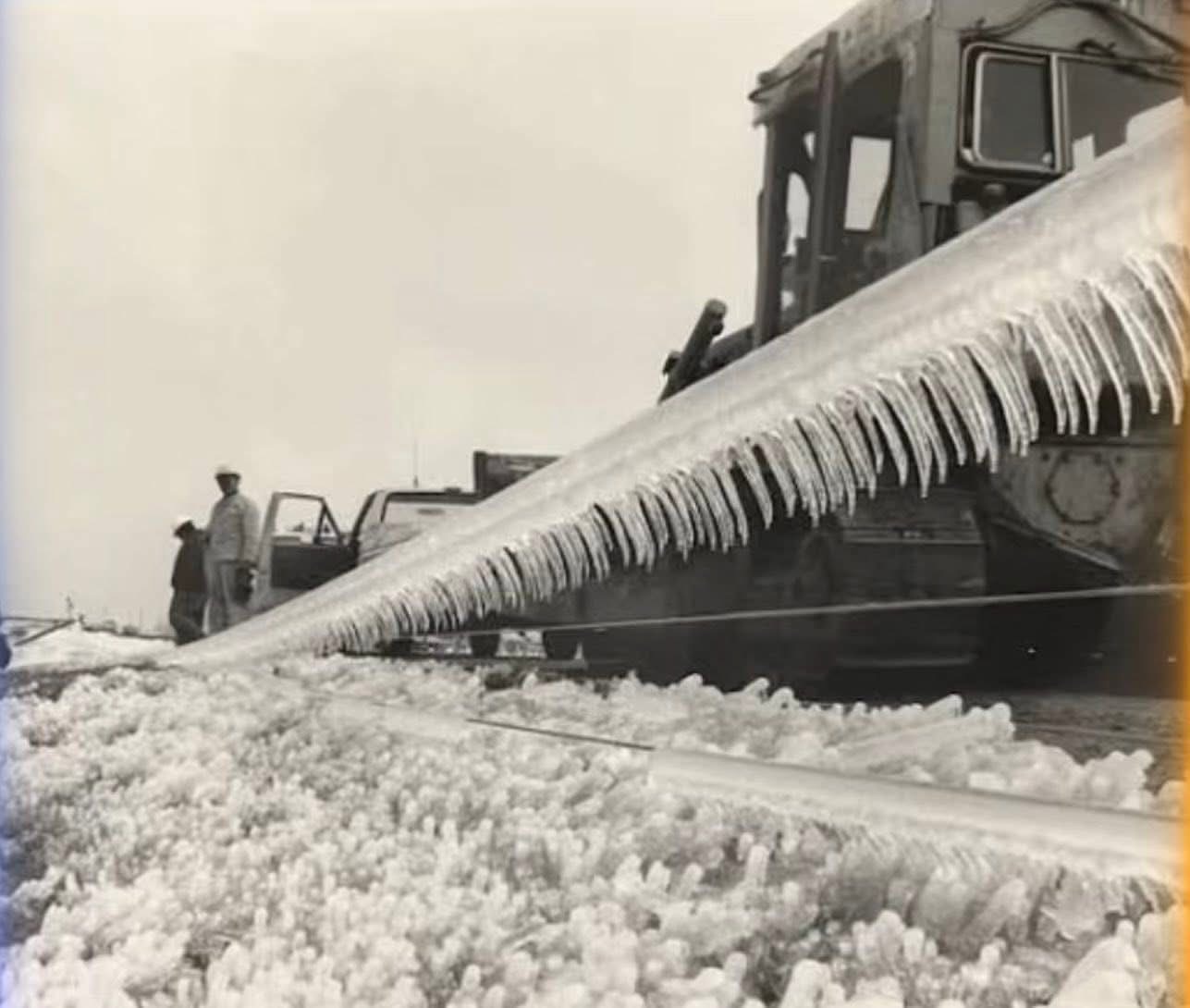
Now, forecasters are comparing the coming storm to that historic freeze—the second-worst winter storm to ever affect Mississippi, behind only January 1951.
But Mississippi has changed since 1994. Our towns have grown. Infrastructure has improved. Utilities coordinate faster, communicate better, and restore service more strategically. Emergency management systems are stronger. And perhaps most importantly, Mississippians are more prepared—because we remember.
Preparation still matters—and it matters a lot. Take time now to charge phones, power banks, and backup batteries. Fill up vehicles while you can. Make sure flashlights, candles, blankets, and nonperishable food are within easy reach. If you depend on medical equipment, plan ahead for outages. Protect pipes by insulating them and letting faucets drip. If possible, identify a safe supplemental heat source, and fill a bathtub with water for flushing toilets and basic needs. Most of all, check on neighbors—especially elderly friends and family. And if ice coats the roads, stay home. Mississippi ice is never forgiving.
Winter storms don’t happen often in Mississippi, but when they do, they remind us who we are. They slow us down. They test our patience. And they reveal the quiet strength that lives in our communities.
In 1994, when ice weighed down trees and power lines and part of the state went dark, neighbors showed up for one another. People shared generators, checked on the elderly, cooked what they had, and waited it out together. It wasn’t easy—but it was Mississippi at its best.
Today, parts of our state once again face the possibility of a historic winter storm. We do so with stronger infrastructure, better forecasting, and more tools than we had three decades ago. But the most important thing hasn’t changed. The grit. The generosity. The instinct to look after one another when things get hard.
We’ve weathered this before. And with preparation, patience, and care for our neighbors, we’ll do it again—together.
*Photos are courtesy of Delta News, 1994
