



Hurricanes are a part of life in the south. We recall the aftermath of each one of them, some worst than others. Family and friends rally around those in need. We know how to prepare ahead of time, and what to do when it is over. But the big storms are different, and so it was with Hurricane Katrina. As my wife and I lamented upon returning to our water-soaked home, “this will take a while”.
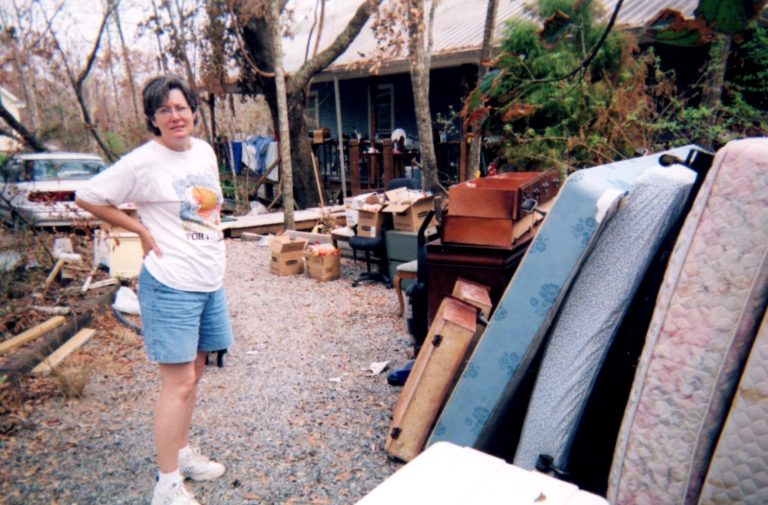 Once the storm receded, there were three types of people left in its wake. Folks that lost their homes were the “slab people”, sadly with many losing their lives. Folks with water in their homes were the “wet sheetrock crowd”, yours truly included. Folks with little damage were the “not so bads”, all my terms. But, as with any storm, we all got to work, putting the pieces back together.
The “not so bads” stepped up immediately and gave the rest of us places to stay, food to eat, and washed our clothes, as we set about mucking out our homes. We are forever grateful for family, like our son Jeremy for a place to stay, and friends, like Pete for checking on our house to let us know what to expect upon returning, and Doug who, together with others, came to help muck out our wet home.
We were grateful to our employers who understood our shared plight and gave us the time to breathe and figure out the future. Local school districts found a way to open and embrace our children with a sense of their own normal, even if teachers and staff were going through the same ordeal.
But with Katrina, that process was different. This storm cut deeper than most. Within days came the army of volunteers from across the country who joined with local folks on what became our months long journey back to normal. Their contributions to our wellbeing and recovery are what this story is about – lending a hand to strangers, far from home. These folks lifted our spirits and gave us hope.
To the two courteous South Carolina Sheriff deputies that rolled up in their squad car to ensure that we were the owners of the home we had just returned to – thanks for protecting our place.
To the nurses from Georgia that gave us our tetanus boosters, bottled water, and whatever safety supplied we needed, treating us kindly and asking how we were doing.
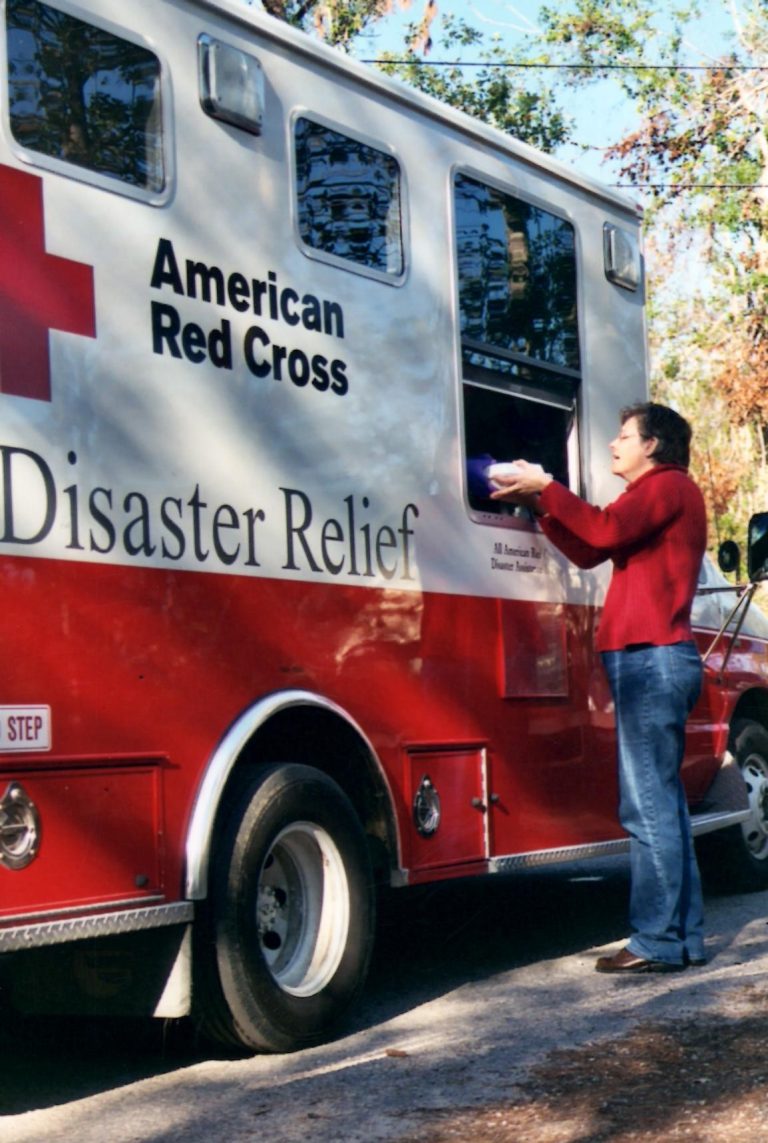
To the folks in the Red Cross rolling kitchens who brought us hot meals to eat – a most welcomed treat. We were so touched and thankful that Mary returned the favor one day with an extra pie that someone else had given us.
 To the thousands of volunteers from across the country who, for months, came to the coast to help those in most need, with mucking and repairs.
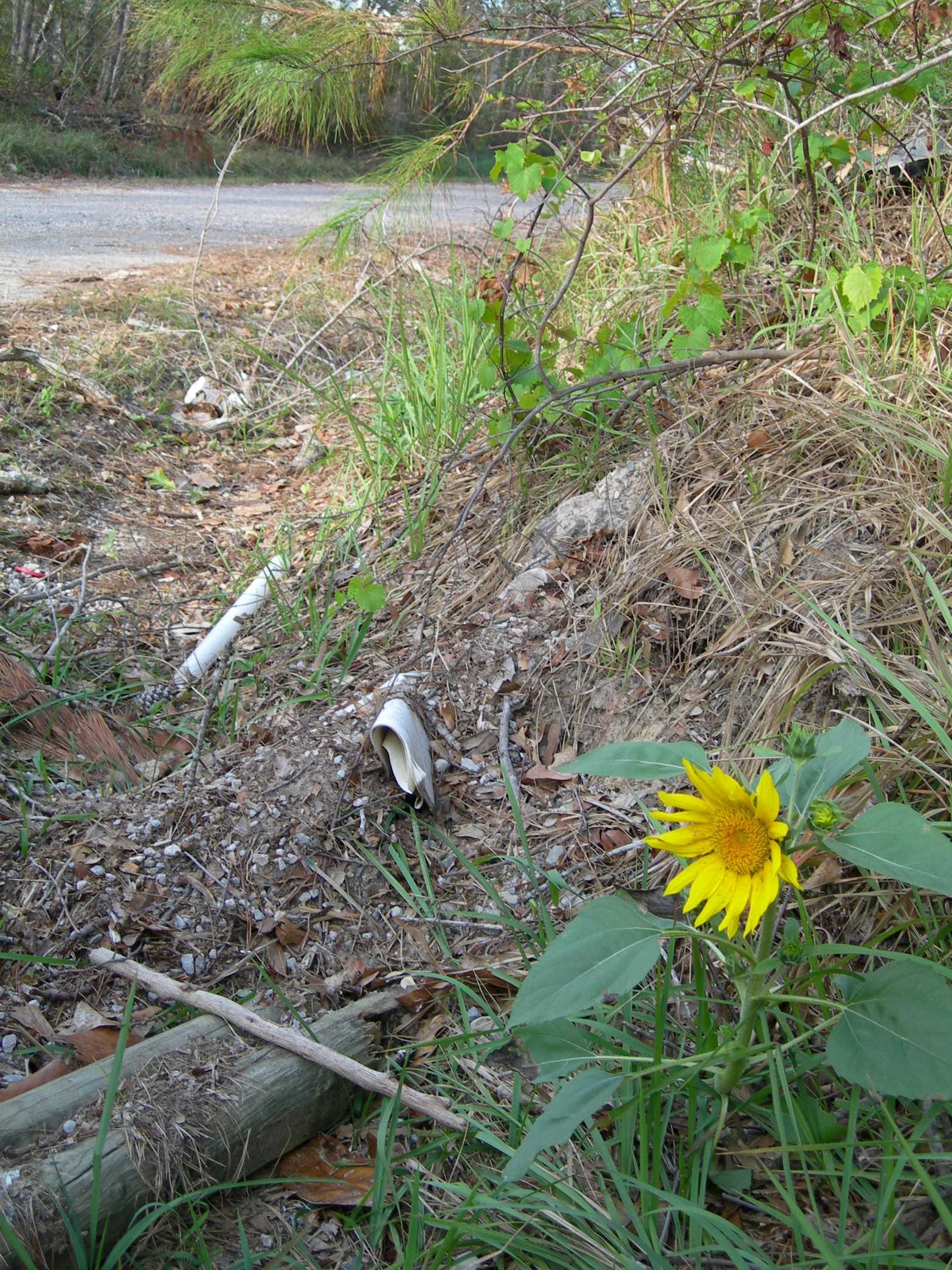
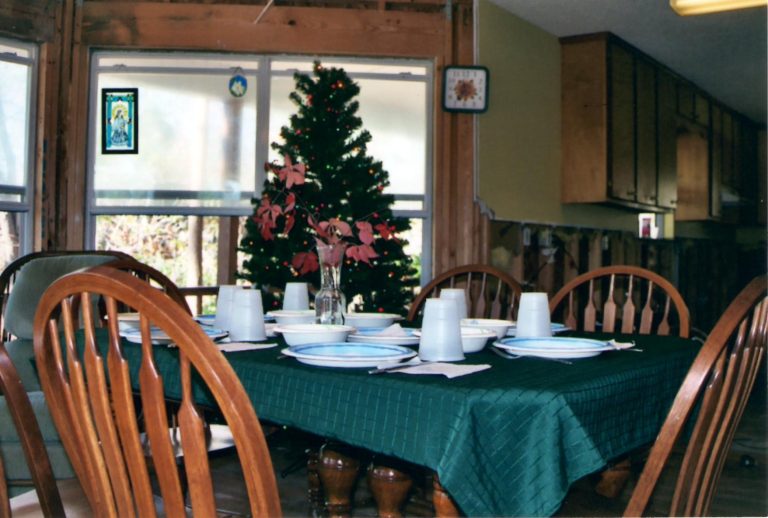
And yet, there were good signs around us that gave us hope, like sunflowers sprouting among the debris to lift our spirits. Hummingbirds that showed up where our feeders use to hang, giving us a chance to find them in the debris and feel normal. To taking the time to celebrate holidays, even in an unfinished home. We would get through this and be stronger because of it.
 That was the storm’s gift, to remind us that we are in this journey of life together. Sometimes, we receive, other times we give. To all those that touched our lives after Katrina, we are eternally grateful. Merci Beaucoup!