



For those of us that pay attention to wildlife in our world, winter can be a time of worry. How do our favorite birds deal with the cold? Where did Ole Grumpy, my Box Turtle disappear to? And what about my favorite anole? Well, rest assured, the wildlife in our world know what to do. They do not really need us to intervene, although we can help in a couple of ways that mimics nature itself. Here is how they manage and how we can help.
First of all, wildlife deals with winter in three basic ways. For mobile animals like birds, many species migrate from colder regions to avoid severe weather. Some wildlife stay put and enter a period of hibernation, best exemplified by bears. But many simply adjust to the local changes in weather – they resist moving – or only move a bit during severe conditions.
For the relatively mild winters in coastal areas, we certainly witness the first strategy. Some of our breeding birds fly south to tropical regions in fall, like Ruby-throated Hummingbirds, joined by breeding birds from more northern regions of the continent. Then come our winter birds, that stop migrating when they reach coastal regions, like Yellow-rumped Warblers and American White Pelicans.
As for hibernation, our mild winter climate makes that a temporary or modified approach. Our cold-blooded friends, like lizards, snakes, turtles and insects enter a state of inactivity or torpor when the temperature drops, often under some form of shelter, like leaves or brush piles, or in our homes – think wasps and stink bugs that find their way inside. This semi-state of hibernation is easily broken on a mild winter day when temps rise.
And then there are the strategies that warm-blooded critters do to simply deal with colder temps, including freezing, best exemplified by birds. I am often amused to spot a Mockingbird on a cold, sunny morning, all fluffed up on a branch facing the sun. Those feathers are trapping heat that helps them maintain body temperature. Lizards and snakes can also be seen “sunning” on mild winter days to raise their body temperature.
Birds also change their diet in winter, seeking fat-rich berries like Yaupon Holly and Wax Myrtle. Yes, there is a link between the timing of these berries and the role that birds play in dispersing seeds. When the temps really drop, birds will seek shelter in cavities or brush piles and roost together to share warmth.
And although as humans, we empathize with the struggles of our wildlife friends, we really should not worry too much. These creatures have evolved to deal with this, without our help. Yes, many will perish, including young and old, but that too is part of the cycle of life. However, there are a couple of things we can do to help.
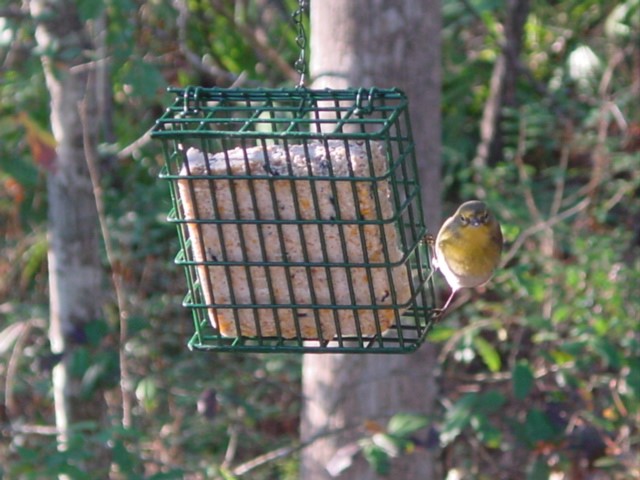
Building brush piles, leaving the leaves in place in your yard, or at least in places, and leaving snags where they will not hurt us, are simple actions that mimic what nature already does to provide shelter. We can also change what we feed birds in winter to include suet that provides fat and protein resources that birds need to stay healthy. And if we do get those occasional deep freezes, providing liquid water in a bird bath or warming up that winter hummingbird feeder is great.
So, although we may feel sorry for the cold critters we see through the windows of our warm homes, they are well-suited for survival.
Hope to see you in our great outdoors!