



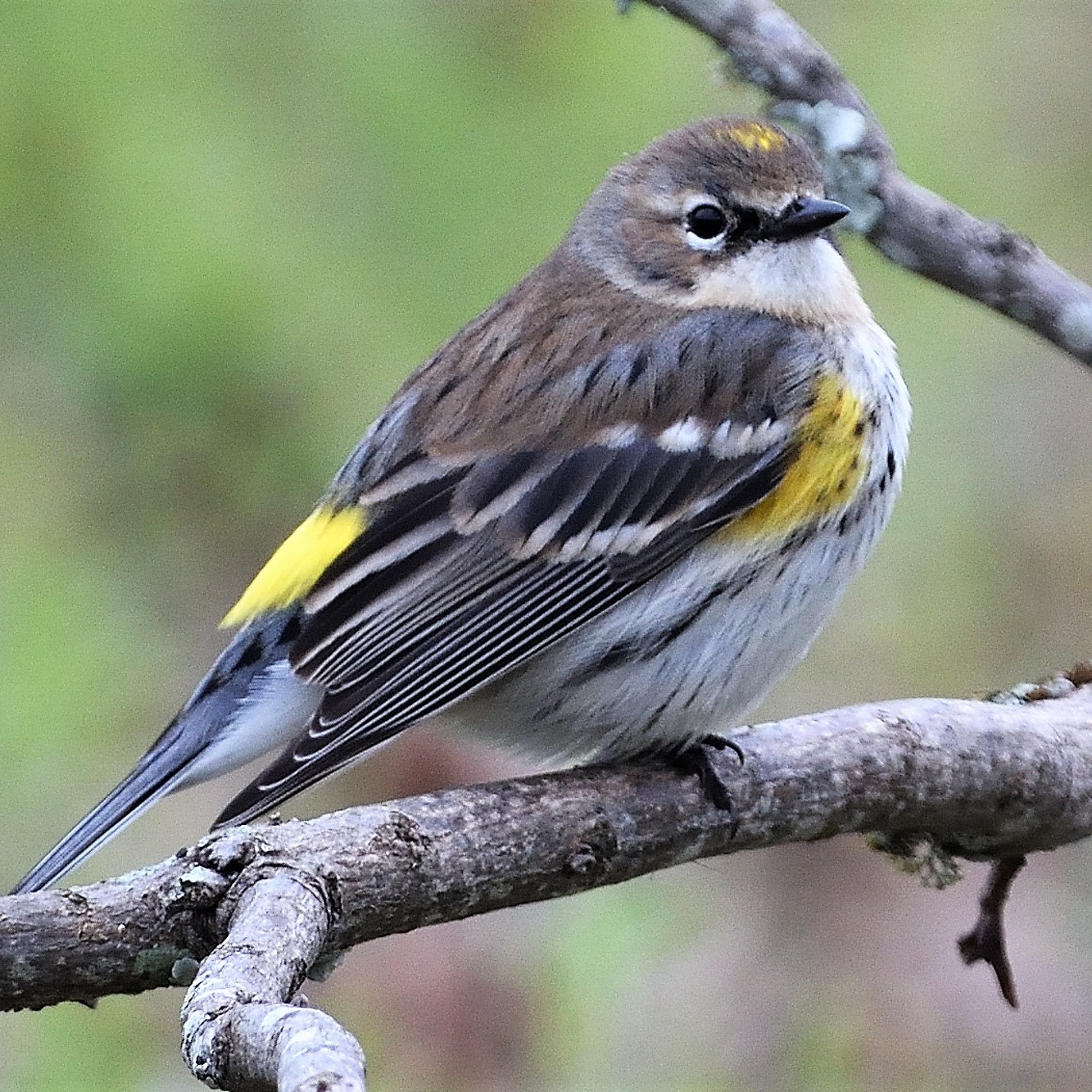
Bird watching is a year-round activity for many. Aside from resident species that stay put throughout the year, many seasonal species visit our backyards and neighborhoods, including the winter months. For those of us in the deep south, spotting an American Robin is a sign that winter is here. For our more northerly friends, Robins signals the arrival of spring. But the winter months are a time when birds have stopped moving, with lots of species to see and hear. Here are a few species and groups to look out for.
Winter brings birds that migrate from northern parts of the continent to the south to avoid the rigors of winter. Although many species fly onward to South America, many others stop in southern states. Two of my favorites to watch for are Yellow-rumped Warblers in woodlands (https://www.ourmshome.com/it-must-be-winter-the-butter-butts-are-here/) and American White Pelicans in coastal rivers and bays (https://ourmshome.com/white-pelicans-a-touch-of-class-for-the-holidays/). Other common winter birds include American Goldfinches, House Wrens, and Yellow-bellied Sapsuckers (https://ourmshome.com/sapsucker-sap-wells-feed-many/). And when it gets really cold in the deep south, Red-breasted Nuthatches and Snowy Owls may show up.
Keeping a nectar feeder up in winter is a great way to spot one of several species of winter hummingbirds (https://www.ourmshome.com/winter-hummingbirds/). Yes, most of our Ruby-throated hummers leave us in winter, but several hummingbird species from the American west, find their way to the east in winter. Of the nine species of winter hummers recorded in Mississippi, the most common is Rufus Hummingbird. They are one of the easiest to identify, and as with Ruby-Throated hummers return to your feeder every year – keep at least one feeder out in winter.
For those of you interested in shorebirds, our coastal beaches are literally awash in species of shorebirds that share the space with Laughing Gulls and Brown Pelicans this time of year. Species identification can be challenging given that most species have molted out of their brighter breeding plumage. But that is the fun, right? Oh, and don’t forget to look for Common Loons in the bays and bayous (https://www.ourmshome.com/loons-on-our-mississippi-waters/).
As for birds that breed in winter, put on your jacket, sit outside, and listen for Great Horned Owls (https://ourmshome.com/great-horned-owls-so-many-cool-facts/). This large owl will soon begin to court ahead of their nesting season, that runs from December through March and April. Spotting one is a bonus but hearing their deep “Who-hoo-hoo-who” is worth it, although it may cause the hair on the back of your head to rise.
Oh, and American Bald Eagles also nest in the south in winter (https://www.ourmshome.com/bald-eagles-return-to-the-mississippi-gulf-coast/). It is easy enough to spot a soaring adult in their white heads and tails, then to find their well-concealed nest, but what a site! By the way eagles normally build their nest near the tops of large pines, that are not easily seen.
Now, if you really want to see some cool winter birds, and contribute to Citizen Science, consider participating in a local Christmas Bird Count (https://www.ourmshome.com/christmas-bird-counts-a-legacy-of-citizen-science/) and the annual Great Backyard Bird Count (https://www.ourmshome.com/everyone-can-count-birds-for-a-great-cause/). Local Audubon Chapters across the country are always looking for willing volunteers to join small teams that fan out for a day of counting birds around Christmas. Your pairs of eyes and ears are all you need to participate, as detecting birds is the key. Besides, it is a great way to learn from experienced birders.
So, winter bird watching is not at all boring or lackluster. There is so much going on in the cold months. All you have to do is get out and look and listen.
Hope to see you in our great outdoors!
