



Winter is the slow time of the year for most plants and animals across temperate North America. Deciduous trees and shrubs shed their leaves. Reptiles and amphibians seek shelter in burrows or deep in leaf litter. Insects and spiders do the same. Apart from birds and mammals, our woodlands are quiet when the temperature drops. It is nature’s rest season, making it the perfect season of stewardship for nature around us.
We can be better stewards of our natural areas in winter if we understand how plants and animals survive the cold, whether they are dormant or not. Humans just adjust the thermostat, throw logs on a fireplace, or bundle up. Organisms in our landscape have strategies too. Here are a few things that you and your family can do to support plants and animals in winter in your backyard.
Plants – For plants that shed leaves, the strategy is to shut down production of sugars in leaves in winter. But, before leaves are discarded, chlorophyll and other compounds are deconstructed and translocated to stems and roots, to be used again in spring. What is left behind, in the leaves that fall to the ground, are the tougher compounds that give leaves their strength – lignin, cellulose, tannins, cutin, and waxes. And yet, these compounds will decompose as part of the leaf litter and be recycled by plants as nutrients – if we leave them where they fall.
So, instead of raking, bagging, and discarding those leaves, use them as mulch for your trees, shrubs and flower beds. They become natural fertilizers and, best yet, are free!!! A 3-to-4-inch layer of leaves placed as much as 2-3 feet around each tree will also help protect near surface roots from the cold and help retain soil moisture throughout the year. And don’t forget to mulch around your evergreen trees and flower beds.
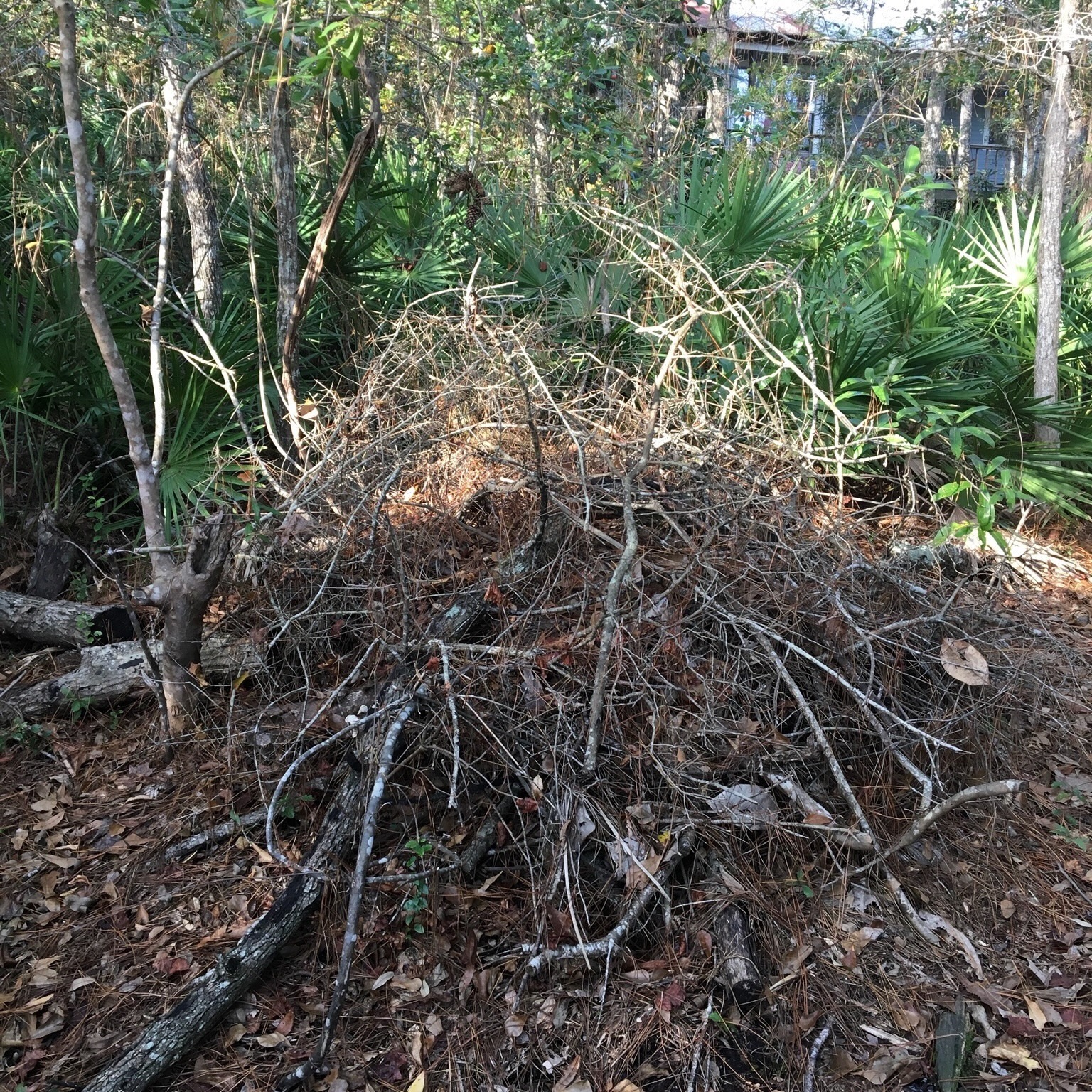
Cold-Blooded Animals – If you know me, you know that I love brush piles! So many critters overwinter in piles of sticks and leaves, either buried near the soil surface, in burrows beneath, or in the nest they build within piles (https://ourmshome.com/brush-piles-for-the-birds-and-other-cool-critters/). On very cold nights, small birds are known to seek shelter in piles. Yes, snakes and lizards live in them too, but at least you will know where they are in winter. Place piles in the corners of your landscape where they can serve wildlife and reduce materials sent to landfills.
And if you do have a bit of woodland in your landscape or are one of those folks that leave a no-mow zone in your space (I love you for that!), leaving the leaves is as good a stewardship practice as any. Many insects, small mammals, and reptiles live in leaf litter, especially in winter. Many of our common pollinators, like solitary bees and wasps, nest and overwinter in leaf litter (https://www.ourmshome.com/critters-in-the-leaves/). Your garden and flowerbeds will benefit from the proximity of pollinator habitats nearby. Leave the leaves, please.
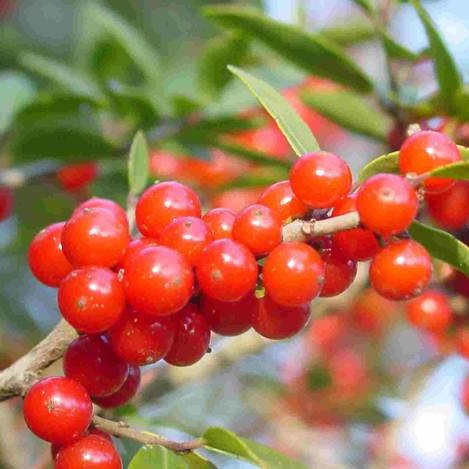
Birds – Apart from having a brush pile for small birds to shelter in during extreme cold, winter is a time when you can supplement resources for resident and overwintering birds. Planting native plants that provide winter berries, like Yaupon Holly and Wax Myrtle, is a sustainable means of supporting birds. Providing seeds, nectar (for winter hummingbirds), and suet (https://ourmshome.com/a-winter-treat-for-birds-suet/) also supports birds when it is cold. But don’t’ forget to plan for the nesting season to come by cleaning, repairing, or putting out new bird houses.
Be a steward for your backyard wildlife this winter.
Hope to see you in our great outdoors!
