



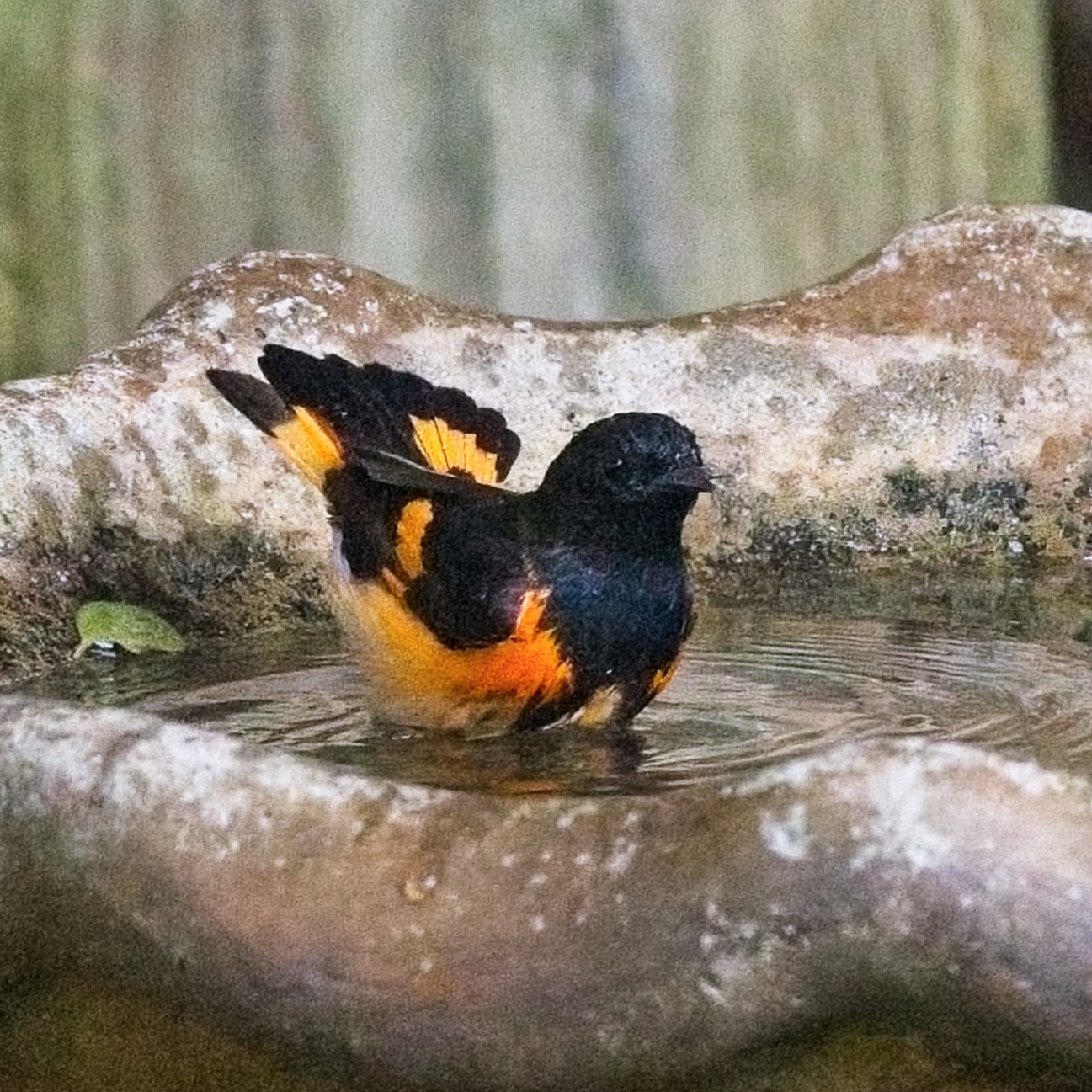
Somehow, summer has passed and birds are starting to migrate to winter homes. It is still hot, mind you, but birds are attuned to their annual timetable that drives many species hundreds and thousands of miles across continents and oceans. For those of us along the shorelines of the Gulf of Mexico, it can be a fun time to spot birds that we may have missed when they came by last spring.
Apart from Purple Martins that left us back in July, the first to start the mass exodus are Ruby-throated Hummingbirds. Now keep in mind that this tiny, yet most energetic, bird ranges across the entire Eastern U.S. and much of Canada. Imagine the trip that Canadian hummers make each year. Across its range, there are an estimated 36 million hummers! Of course, many of my friends claim to have more at their feeders in the fall than anyone else.
So, basically the fall migration begins in early September with the arrival of the first of these millions of birds on the Gulf Coast, all looking for that nectar feeder that was there last spring. Whoa is you that you forget to put them up in time, as hummers remember! They will fly up to where the feeder was and then stare at you until you pop up to get it back out to them.
What follows are a parade of dozens of other migrating species, generally known as trans-gulf migrants. These birds spend the summers breeding in North America and winters in South America, traversing the Gulf Coast in spring and again in fall. As with Ruby-throated Hummingbirds, some are long-distant champions, like American Golden Plovers that travel 8,000 miles each way between their Arctic tundra breeding grounds and the pampas of South America.
But the neat part for us is that we are better able to spot these birds in fall, as they stop along the coast to fuel up ahead of their 500-mile flight across the Gulf to South America. Fat is the key and many will gorge on insects in the trees and bushes in your backyards and local natural areas. Warblers are some of the more colorful of these, but orioles, tanagers, grosbeaks, buntings, and more secretive, less colorful birds join them.
The key to finding them is to offer sources of food like nectar and seeds, but also to simply sit and look. Early in the morning or late in the day are often the most active but anytime is fine. Beside feeding birds, drippers are a great way to attract birds of all types, including residents that may take offense to seasonal interlopers, but will share, nonetheless. I have seen as many as a dozen species at a dripper at the same time in fall.
Regardless of your ability to identify these birds, the fact that they are moving through is a rewarding experience. There is something to be said of humans’ perchance to be able to say we saw X many of anything. Experiencing the fall migration with family and friends, especially children, is a great way to introduce or strengthen connections to our natural world. And birds are as iconic a group of animals as any that are easily observed and enjoyed.
So, break out those nectar and seed feeders and feed the hungry hordes of migrating birds in the next few weeks. For the Gulf Coast, migration runs from September through late October, after which a hoard of overwintering birds will appear. But that is another story.
Hope to see you in our great outdoors!
