



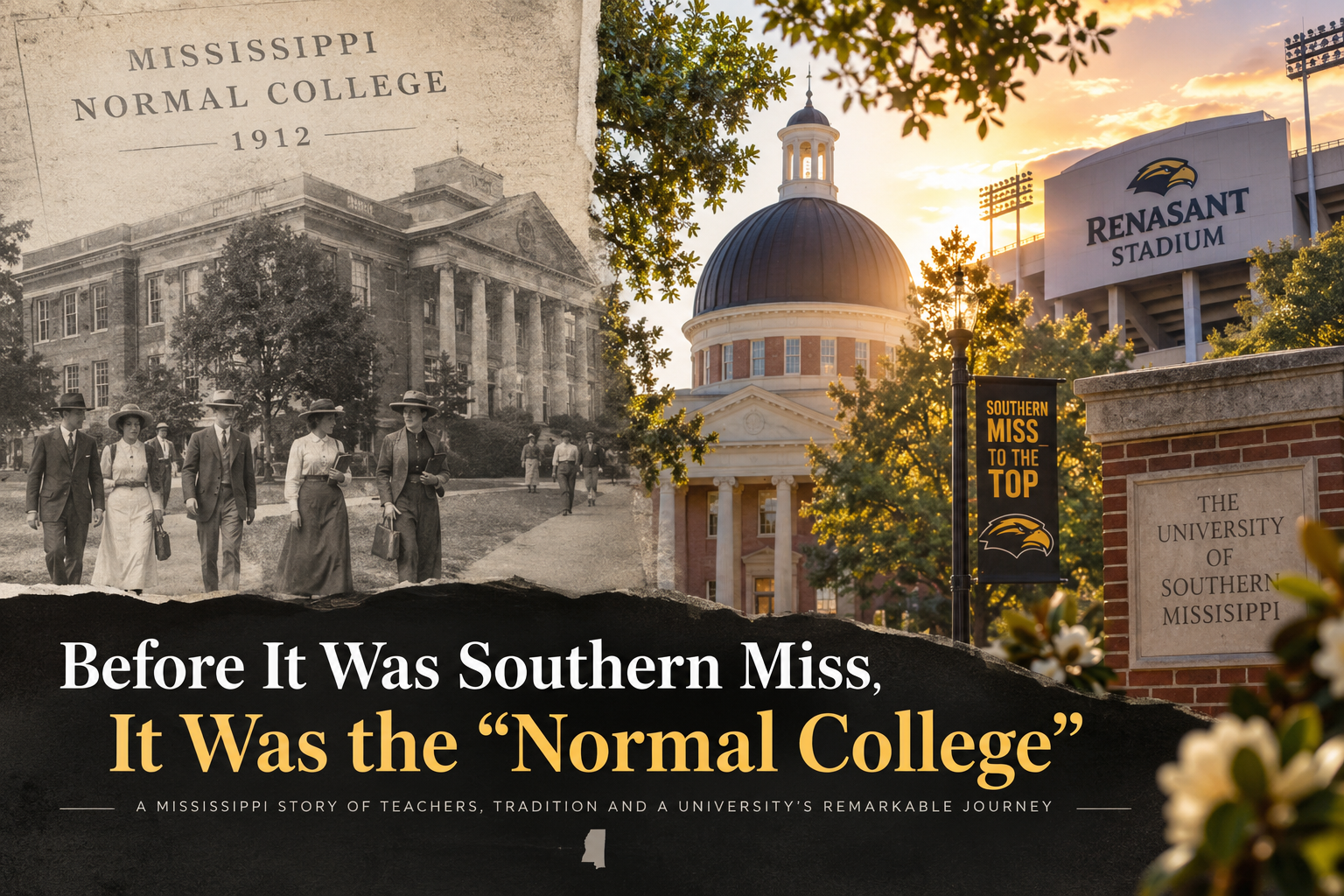
Today, we know it as Southern Miss.
We know the black and gold, the Golden Eagles, the sprawling Hattiesburg campus and that familiar “Southern Miss to the Top!” But more than a century ago, there were no Golden Eagles walking across campus, no football Saturdays at the stadium generations of fans have known simply as The Rock, and certainly no one calling it USM.
There was simply Mississippi Normal College.
And while the name might sound a little strange to modern ears, there was a very good reason for it.
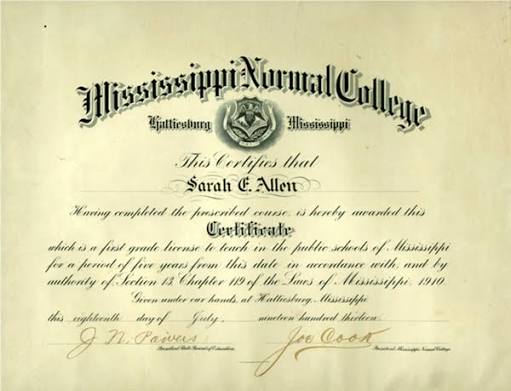
At the beginning of the 20th century, Mississippi had a problem. The state needed trained teachers, particularly for its public schools. A “normal school” was an institution specifically created to educate and prepare teachers, and Mississippi leaders began pushing for a state-supported school dedicated to that purpose.
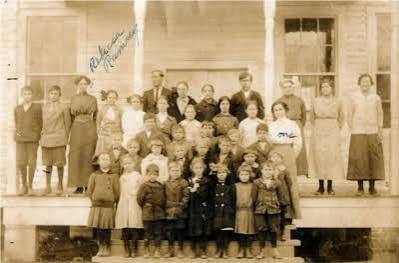
In 1910, the Mississippi Legislature established Mississippi Normal College in Hattiesburg.
The location was not accidental. Communities competed for the new institution, understanding what a state college could mean for their future. Hattiesburg was growing rapidly at the time, fueled by the timber and railroad industries, and the Hub City ultimately became home to the new school.
When Mississippi Normal College opened its doors in 1912, the campus looked nothing like the Southern Miss we recognize today.
The first class included just over 200 students, with a small faculty charged with an enormous task: preparing educators who could take what they learned in Hattiesburg and carry it into classrooms across Mississippi.
That mission mattered.
For generations, the classroom teacher was often one of the most important people in a Mississippi community. Teachers did far more than teach reading, writing and arithmetic. They helped shape towns, families and futures. Mississippi Normal College was created specifically to make those teachers better prepared for the work waiting on them.
But the little normal school did not stay little for long.
As the institution grew, so did its purpose.
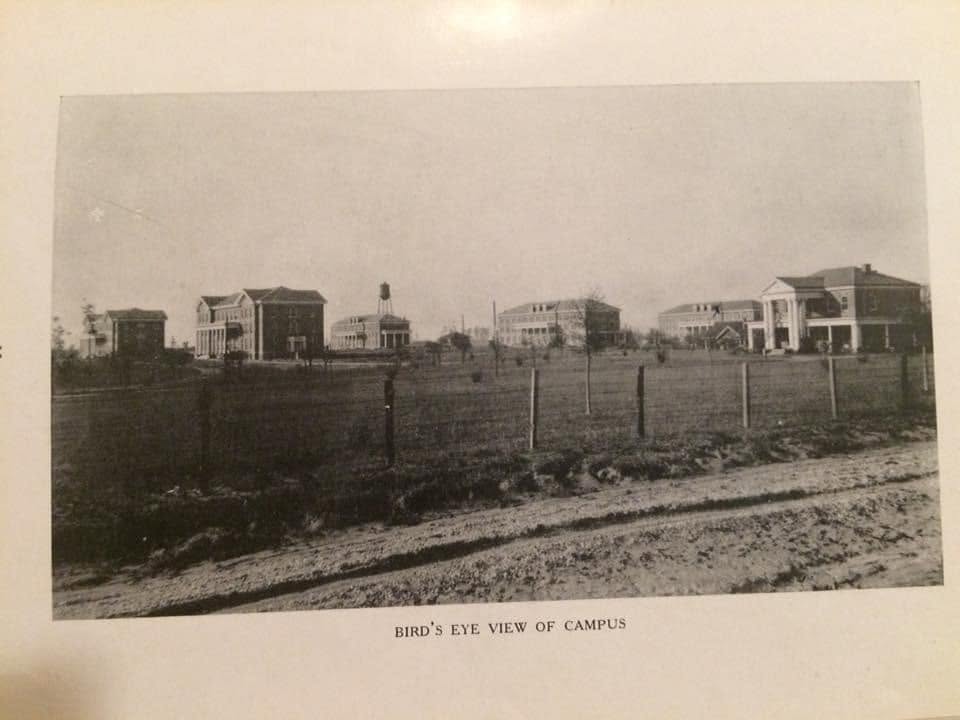
In 1924, Mississippi Normal College became State Teachers College, a name that still reflected its strong connection to education but acknowledged its expanding role. Sixteen years later, in 1940, it became Mississippi Southern College.
That name may sound much more familiar to longtime Mississippians.
By then, the school had grown well beyond its original teacher-training mission. New academic programs appeared, enrollment increased and the campus continued to develop into a full college experience.
Then came another major change.
In 1962, Mississippi Southern College officially became the University of Southern Mississippi.
The little school founded to train Mississippi teachers had become a university.
Its story, however, was still being written.
Southern Miss would grow into a major research institution with programs reaching far beyond Hattiesburg. Its presence expanded to the Mississippi Gulf Coast, and generations of students came through its classrooms studying everything from education and nursing to business, science, music, marine research and the arts.
Its athletic traditions grew right along with it.
The school that once had no Golden Eagles at all would eventually become synonymous with names and moments familiar far beyond Mississippi. Brett Favre played quarterback at Southern Miss before beginning his Hall of Fame NFL career. Ray Guy became one of the greatest punters football has ever known. Jimmy Buffett spent time as a student there before finding his own particular latitude and longitude in music.
And then, of course, there is The Rock.
For generations of Southern Miss fans, M.M. Roberts Stadium has been known by that simple nickname. In 2026, the university announced a new chapter for the historic stadium, with its official name changing to Renasant Stadium under a 10-year naming-rights agreement. Whatever name appears on the stadium, “The Rock” remains firmly planted in Southern Miss history and in the memories of the fans who filled it.
Still, some of the best pieces of Southern Miss history are quieter.
They are found in old photographs of students standing outside early campus buildings, in yearbooks carrying names that predate “Southern Miss,” and in the stories of young men and women who arrived in Hattiesburg when going to college was far from an ordinary expectation.
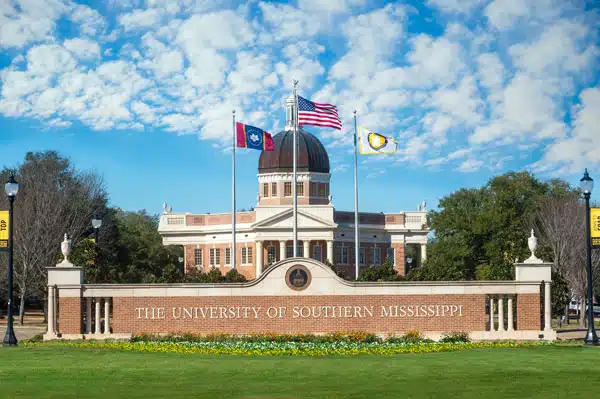
Imagine what those first students in 1912 would think if they could walk across the campus today.
They would see a university serving thousands of students. They would hear the Pride of Mississippi. They might catch a football game or see students stretched out beneath the shade of the campus’s enormous oak trees.
They certainly would not recognize everything.
But perhaps they would recognize the reason behind it.
Mississippi Normal College was created because people believed education could change the future of this state. More than a century later, that idea remains at the heart of the university it became.
The name changed from Mississippi Normal College to State Teachers College, then Mississippi Southern College and finally the University of Southern Mississippi.
The campus grew. The mission expanded. The world changed.
But before the Golden Eagles, before The Rock and before anyone ever shouted “Southern Miss to the Top,” there was a small college in Hattiesburg with a straightforward assignment:
Train Mississippi’s teachers.
Turns out, there was nothing very “normal” about what it would become.
