



It is often said that we can learn a great deal from nature, and that is true. But sometimes, the lessons we learn surprise us more than we care to admit.
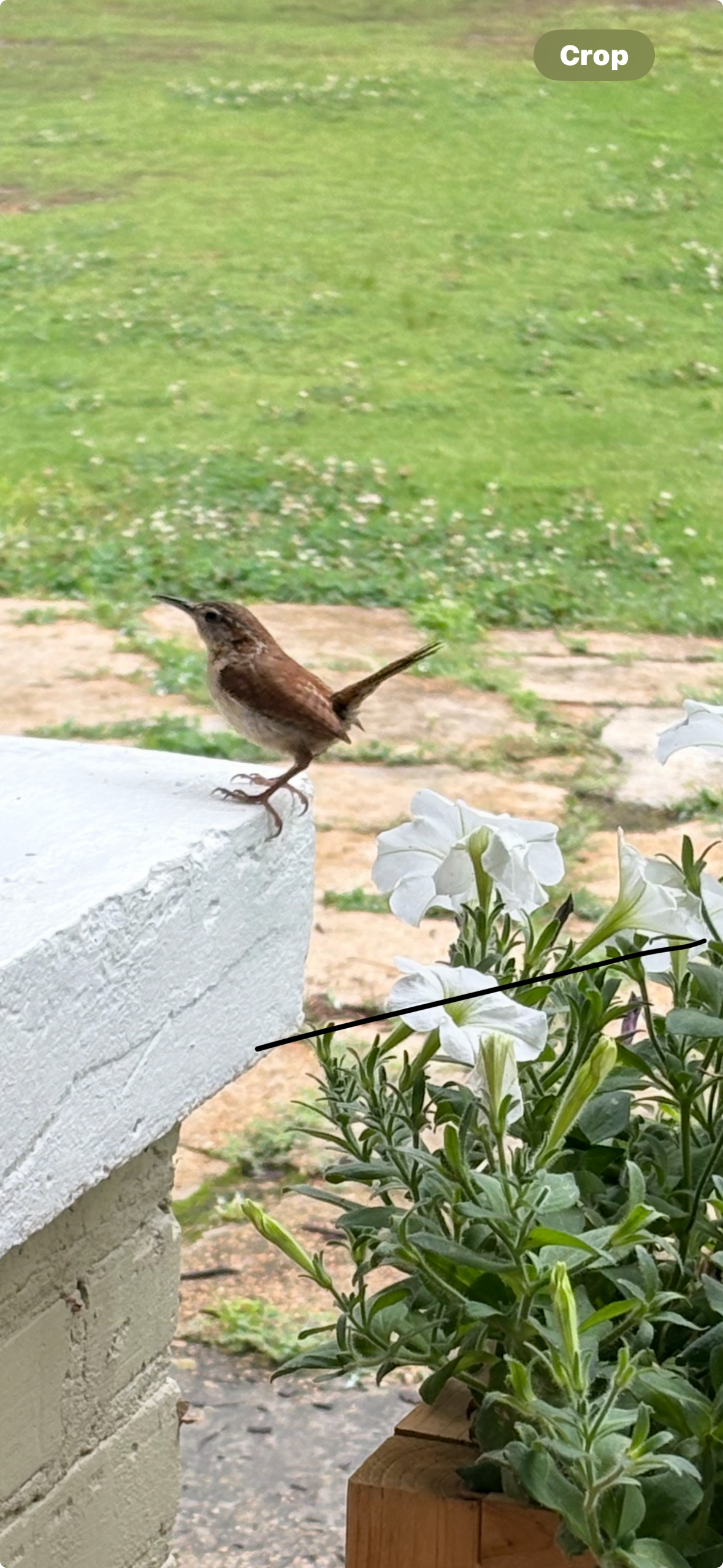
For example, this week, I was sitting out on my front porch, enjoying my morning cup of coffee as I read my Bible. It was a peaceful, perfect start to a cool spring day. All was well in my world until this tiny brown bird kept coming to the porch, repeatedly bringing tiny bits of twigs and sticks to hide inside one of my big wooden boxes of petunias.

Now, I love birds. We have several feeders in the yard, and we love watching them come and go. So, I certainly did not mind watching the beauty or business of that tiny bird. But I was more than a little perturbed – for his sake, not my own – that this small, winged creature was obviously building a nest on my front porch.
I wanted to shout at the little fellow and tell him how absolutely foolish it was for him to build his home there, right near the daily resting spot of our neighbor’s sweet lab Ellie. Honestly, I questioned the common sense of a bird that would put its nest so close to animals or humans. Was it really that dumb?
Well, let me just go ahead and say that this ol’ Mississippi girl is the dumb one, not the itty-bitty brown bird that I identified via the internet as a Northern House Wren.
Come to find out, the feathered fellow was much, much wiser than I gave him credit. After conducting a little research on the website of the National Audubon Society, I learned that this industrious wren is smart enough to build multiple, incomplete “dummy” nests in various cavities, and then, (take note, men), he wisely lets his mate choose the incomplete nest she prefers. And she, also of note, finishes the nest to her own liking.
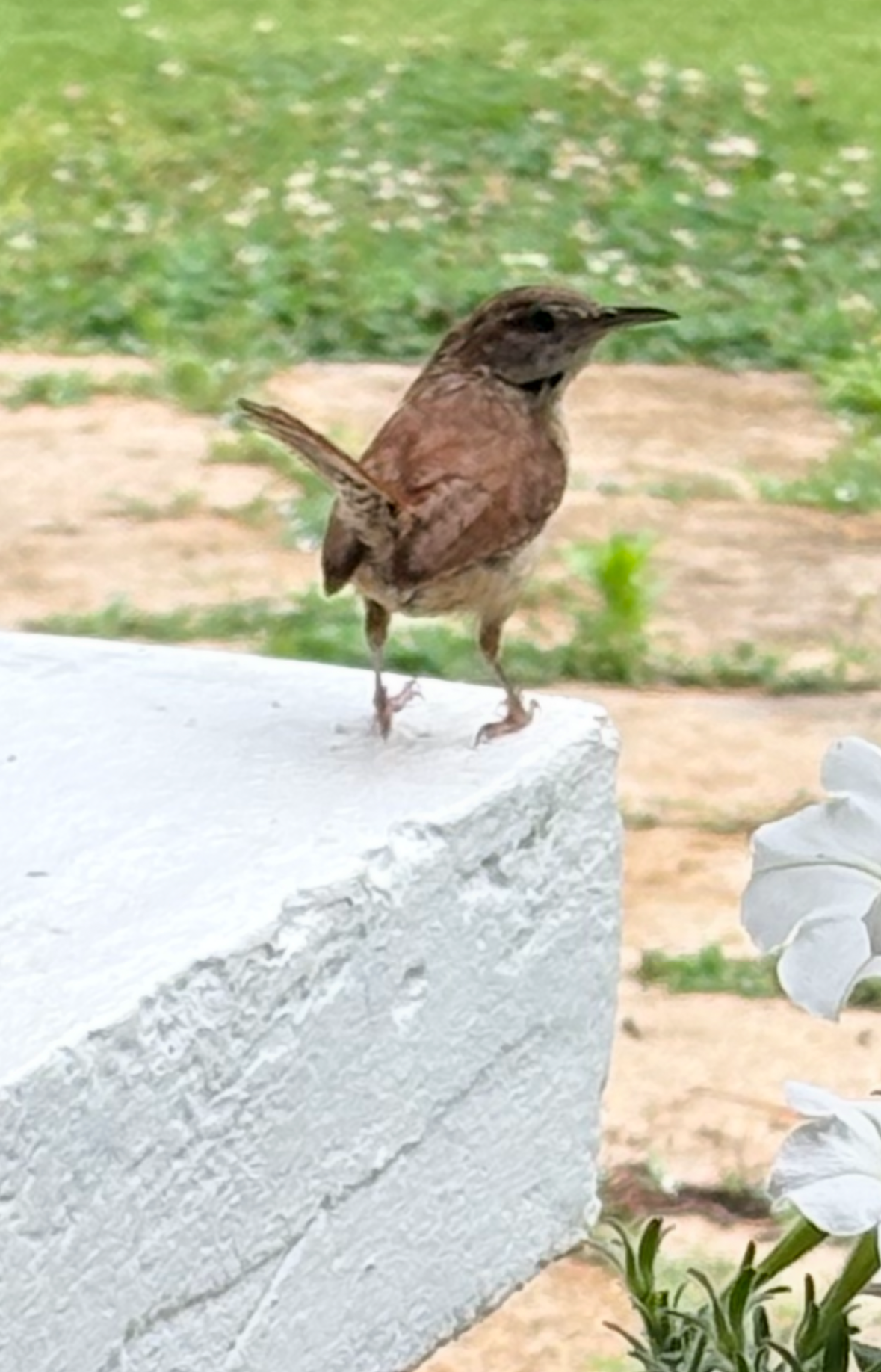
Besides the obvious contentment-inducing thoughtfulness of this tactic for the wren and its mate, there are also other advantages to the dummy nests. First and foremost, the wren tricks its predators by leading them along a confusing and hopefully unproductive hunting trail. Nests built close to humans have also proven to be a safer option for small birds since large predators are wary of humans and their homes.
Wow! Talk about learning a big lesson from a little subject, that diminutive House Wren completely schooled this retired Mississippi teacher.
So, the next time I see a bird or animal of any size doing something that seems silly or foolish, I shall hold my tongue until I learn the “why” of their actions. That way, the only dummy around will be the extra nests of my friend, Mr. Wren.
