



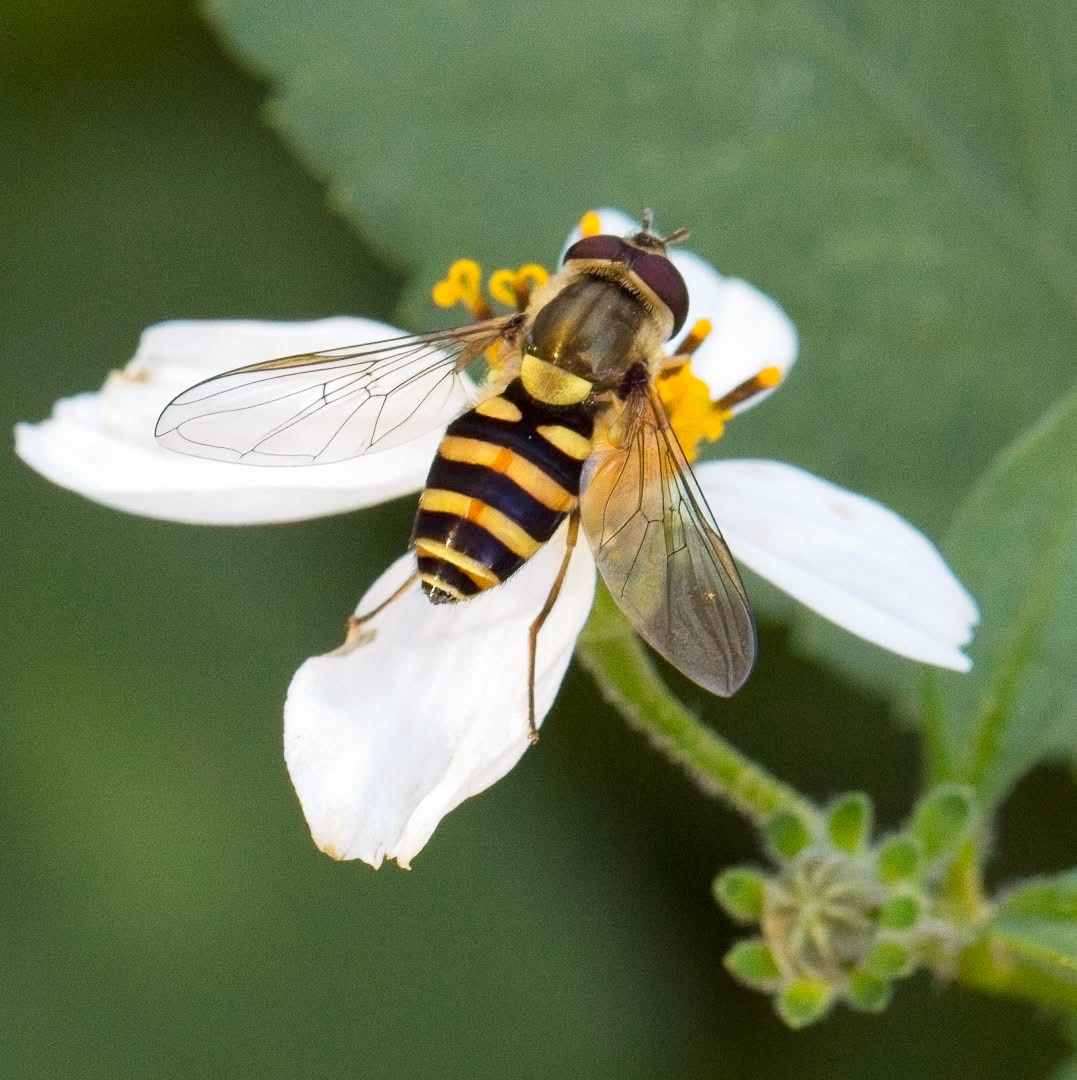
We see pollinators at flowers, and marvel as they collect nectar and pollen. Besides bees and wasps, we may not know what many are and only see them when they visit blossoms. But where do they come from and where do they go? Visiting flowers is only one part of their lives. Oh, and what is a pollinator in the first place? These are the unseen aspects and questions about the multitude of pollinators that fill our world. This is the story of why we owe them our lives.
The fall is as good a time as any to view the diversity of pollinators that visit blossoms, like those that love my Mama’s favorite flower, goldenrods. But, let me share a few facts about the “what”, “who”, “where”, and “whys” of pollinators.
What is a pollinator, you ask? Simply stated, a pollinator is an animal that visits blossoms of flowering plants to collect nectar or pollen to be used to feed themselves and/or their young. In the process, they transfer pollen (the male genes) from flower to flower to facilitate reproduction – the formation of seeds, along with fruit that other animals use, including humans. Relationships between flowering plants and pollinators are ancient, with each partner benefiting each other. Some plants and pollinators, especially in the tropics, have evolved exclusive partnerships, like orchids and orchid bees and some hummingbirds.
Who are the pollinators? Well, we know about butterflies, moths, and bees, but wasps, beetles and flies also pollinate plants. As with some tropical plants, some relationships are specific between species of plants and the insects that pollinate them, that are timed to when flowers bloom and when adult insects are present. We also know that hummingbirds are pollinators, but there are other nectar feeding birds, like orioles. And then there are bats and some small rodents that do the job, including those that pollinate tropical and desert plants that bloom at night when bats and rodents are active.
Where do pollinators come from? This question is all about the lives of the most common group of pollinators – the insects. For all but a few, adult insects do the work of pollination. But they were not always adults, right? That begs questions about their life cycles, where their larval forms are found, and how larvae are cared for by adults, if at all. These are the unseen narratives that will be shared in subsequent stories about these curious creatures.
What do they do with nectar and pollen? This question is a large part of those unseen stories. For many pollinators, like birds and butterflies, nectar fuels their daily lives. And as we know with honeybees, nectar and pollen are also used to feed their young. Many solitary bees stock their larval cells with pollen. Again, stories about pollinators are about what they do with the nectar and pollen they collect.
Finally, does the world need pollinators? Short answer is absolutely! Without pollinators, fruit of foods used by animals and humans will not form. Okra, tomatoes, beans, squash, and many more fruit are the direct result of pollination. In the book The Botany of Desire, Michael Pollan shares our codependency with four domesticated plants that we apparently cannot live without – the apple, tulips, cannabis, and the lowly potato. These plants along account for billions of dollars of our worldwide economy. But apart from that, pollinators are important elements in the food chains of many other creatures that also benefit our lives.
Stay tuned for secrets shared about some of the common and not so common pollinators in our world.
Hope to see you in our great outdoors!
