



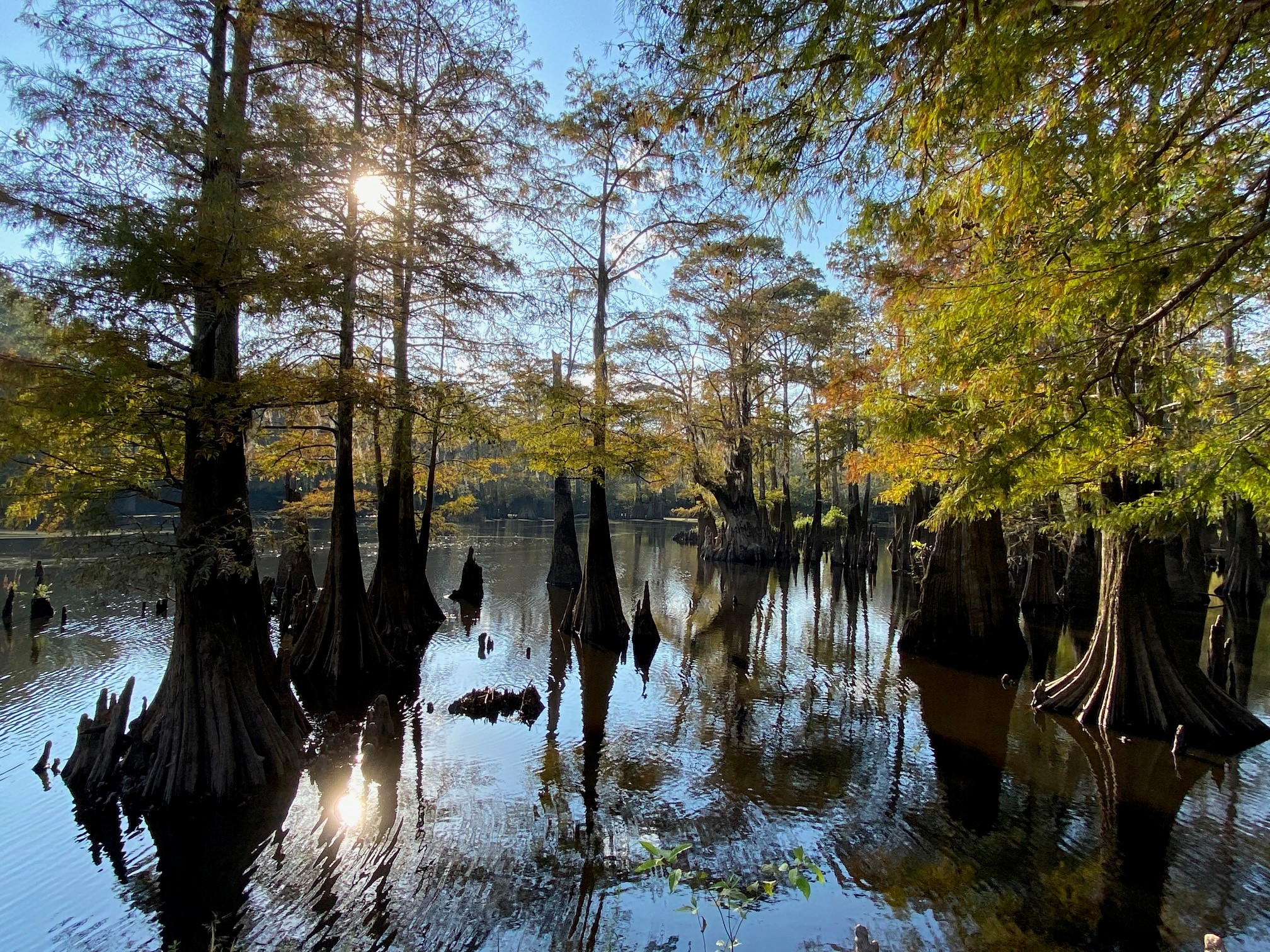
The phrase “the largest, unobstructed, free-flowing river in the lower 48 states” is known by many people that love and promote the Pascagoula River. Largest, refers to the volume of discharge at the river’s mouth, that drains 9,600 square miles or one fifth the area of Mississippi, and small parts of Alabama. Three large tributaries and countless small streams contribute water to the Pascagoula that flows 82 miles from its headwaters to the Gulf of Mexico. But that phrase we know so well today did not come out of nowhere or spread without a spark that started fifty years ago.
And as with all great stories, it began with a first step that was followed by many more that have made the conservation of the Pascagoula River a national blueprint for public-private partnerships. A handful of people that loved the river and a unique approach toward securing a swath of old growth bottomland forest started it all.
Herman Murrah grew up on the river and served as a Game Warden for the Mississippi Game & Fish Commission, overseeing what was to become the 32,000-acre Pascagoula River Wildlife Management Area (WMA). Getting from Herman’s dream of securing this parcel from the Pascagoula Hardwood Company, before it was sold for its timber, brought together Graham Wisner, a member of one of the families with a stake in the company, Avery Wood Jr, the head of the Mississippi Game & Fish Commission, Dave Morine of The Nature Conservancy, and others.
The unique approach involved securing $15M of funding from the Mississippi Legislature and bypassing a refusal to sell from the company’s dysfunctional board of directors, of what was at the time an inactive company. Using a public tender offer to the company allowed The Nature Conservancy to secure that first parcel. The combination of state and private groups was the key and continues to be a model for conservation.
Today, the Mississippi Department of Wildlife, Fisheries & Parks (the successor of the Mississippi Game & Fish Commission), manages the Pascagoula River WMA (that first tract), that now includes 39,150 acres in several units. The Ward Bayou and Red Creek WMAs, add another 36,189 acres along the river, for a total of 52,000 acres. Three more WMAs protect lands along the two main tributaries that form the headwaters of the Pascagoula – the Leaf and Chickasawhay Rivers.
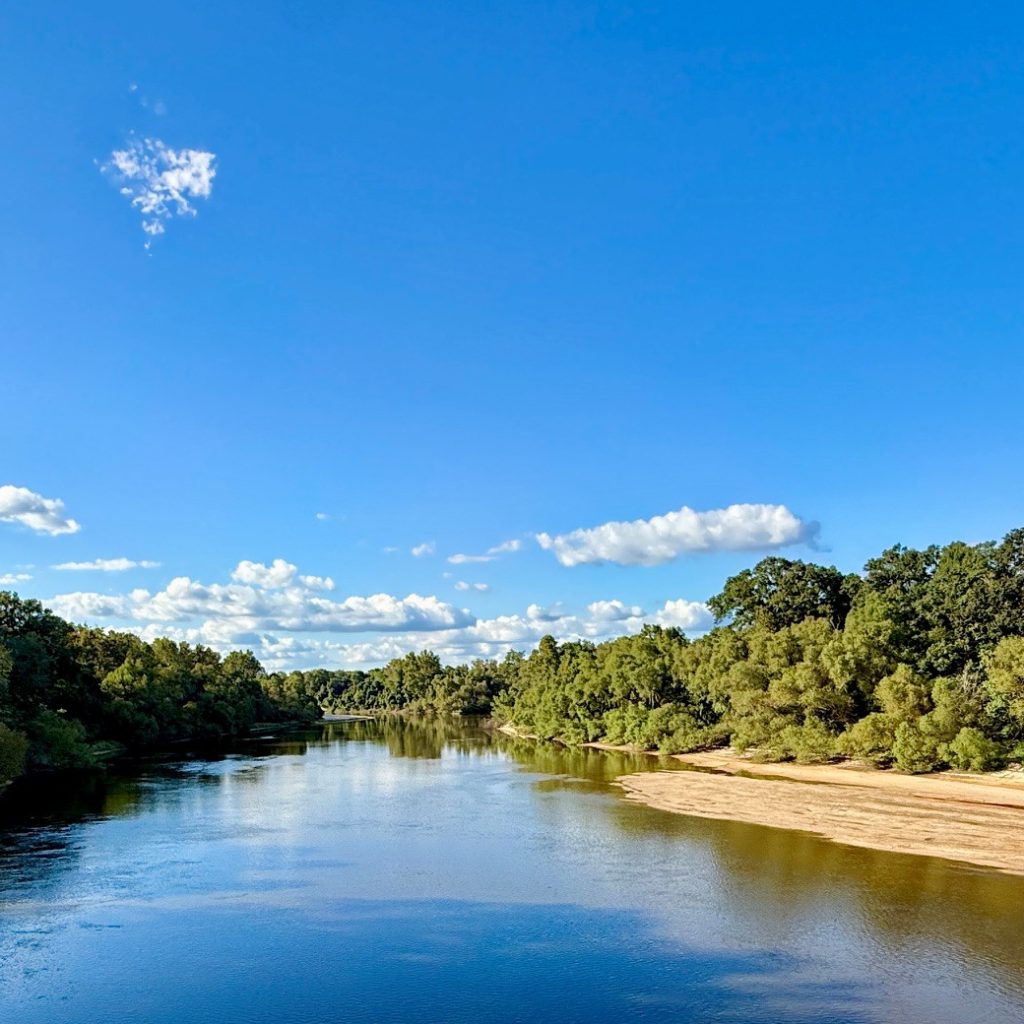
After facilitating that first acquisition, The Nature Conservancy has worked to secure three large tracks of land that protect the river’s headwaters, including the 3,300-acre Charles M. Deaton Preserve (the first of TNCs holdings along the river), and the Herman Murrah (1,662 acres) and Robbie Doak Fisher Preserves (1,312 acres), totaling nearly 6,274 acres. Several more preserves are located within the watershed, many with state and federal partners.
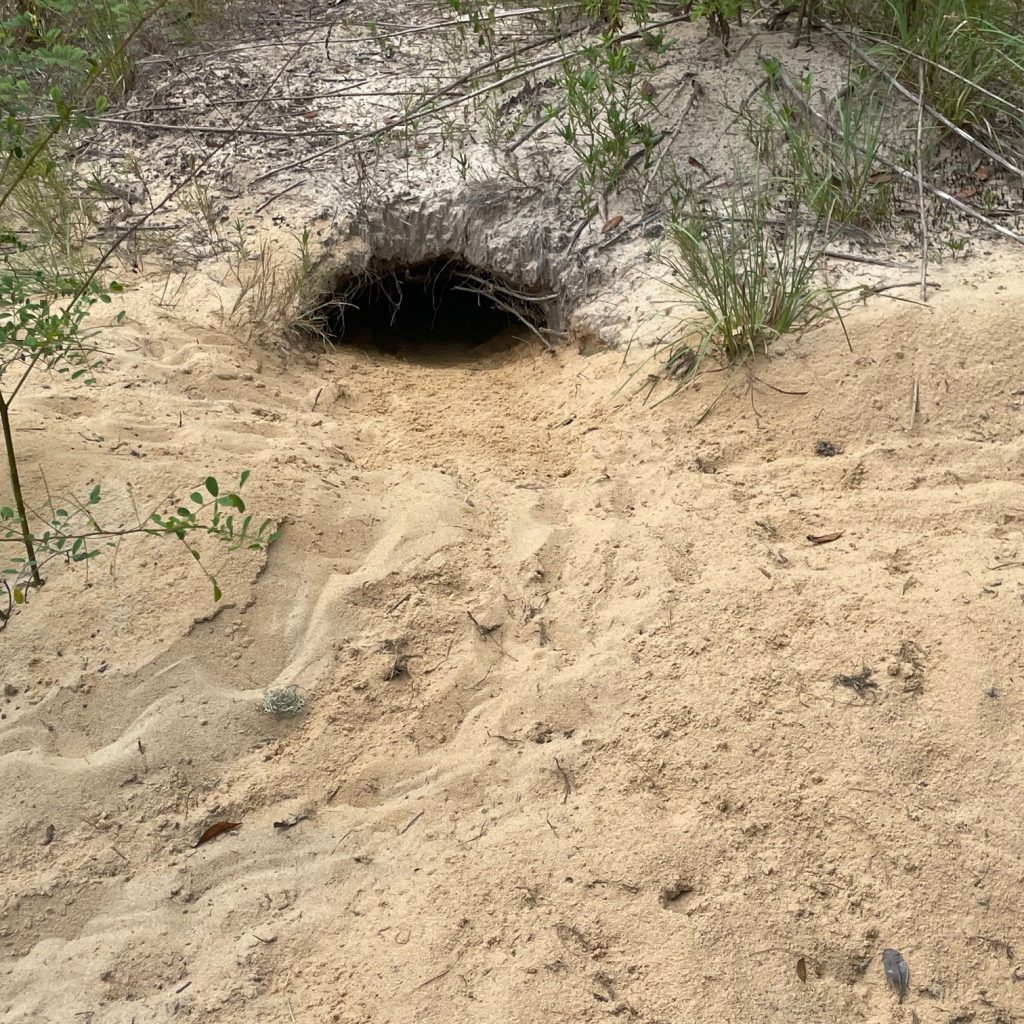
Photo credit: Becky Stowe
Within the tidal reaches of the river, The Mississippi Department of Marine Resources and the Mississippi Secretary of State Office oversees about 18,000 acres of tidal marsh and shallow bottoms, within two of 20 designated Coastal Preserves. Add thousands of additional acres managed by the MS Forest Commission, the U.S. Forest Service, and the U.S. Fish & Wildlife Service along the river and within the river’s watershed.
The math is easy enough. Over the last 50 years, nearly 90,000 acres have come under conservation by these state and federal agencies and conservation groups along the Pascagoula River alone, with more to come.
So it was that The Nature Conservancy held a bird and nature tour of the Charles M. Deaton Preserve recently to celebrate the 50th anniversary of that first acquisition of bottomland forest in 1976. The establishment of that preserve, along with the other protected forest, river, and tidal habitats along the river’s 82 miles are forever linked to that first step, and to the phrase “largest, unobstructed, free-flowing river”. A journey worthy of celebration, with more to come.
