



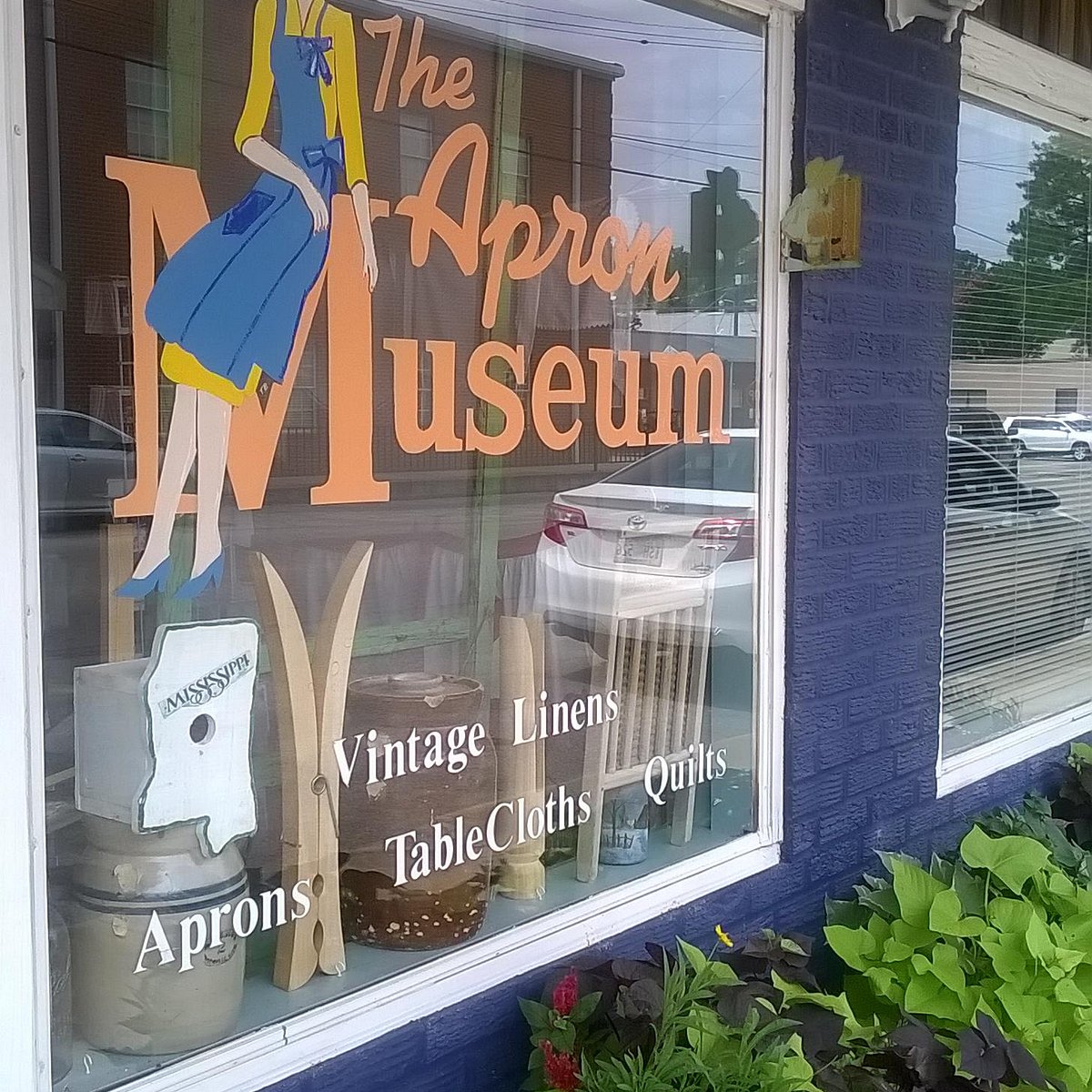
Walk into the historic Pineslab Shop in downtown Iuka, and you’ll find something you probably never expected to see: thousands of aprons hanging, folded, and carefully preserved inside the only museum of its kind in America.
At first, it might make you smile.
An apron museum?
Then you begin looking a little closer.
Suddenly, those pieces of fabric become much more than something Grandma wore while baking biscuits or Sunday dinner. They become windows into American history, preserving the stories of everyday people whose lives helped shape generations.
Founded in 2006 by Iuka native Carolyn Terry, The Apron Museum came to life almost by accident. Terry was visiting estate sales and auctions in search of old books when she found herself captivated by vintage aprons instead. Before long, what began as a simple collection grew into the only museum in the United States dedicated entirely to these often-overlooked garments.
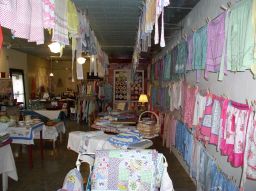
Today, the museum houses thousands of aprons dating from the Civil War era to modern day.
Spend a few minutes wandering through the displays, and you’ll quickly realize every apron has something to say.
Some were sewn from colorful feed and flour sacks, a reminder of families who made the most of what they had during difficult times. Others feature delicate embroidery, rickrack, ruffles, hand-stitched appliqués, and oversized pockets that transformed a practical necessity into something beautiful. Wealthier families often chose finer fabrics and more elaborate designs, making aprons something of a status symbol—much like designer handbags or shoes today.
Of course, aprons weren’t just worn in the kitchen.
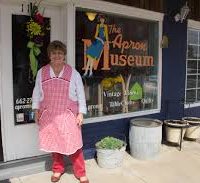
Blacksmiths, butchers, carpenters, printers, shopkeepers, artists, and homemakers all relied on them. Together, they tell the story of ordinary Americans whose contributions often go unnoticed but whose lives built communities across the country.
One of the museum’s most charming collections celebrates the 1950s, when hostess aprons were practically a fashion statement. Women greeted guests wearing beautifully decorated aprons for bridge clubs, church gatherings, and backyard parties, while men proudly tied on chef-style aprons before tending the barbecue.
Then there are the surprises.
Vintage advertising aprons from companies like Sears & Roebuck and Alka-Seltzer share space with pop culture favorites featuring Popeye, Star Wars, and even Family Guy. One apron even bears the autograph of Flo, the familiar face from the Progressive Insurance commercials.
But if there’s one part of the museum that lingers with visitors, it’s the handwritten notes.
Many donated aprons arrive with letters explaining who wore them, what they meant to a family, or why they simply couldn’t be thrown away. Those personal stories are preserved alongside the aprons, turning the museum into something far more meaningful than a collection of textiles. It becomes a collection of memories.
It’s easy to understand why The Apron Museum has been featured in Ripley’s Believe It or Not!
Yet despite the national recognition, it still feels wonderfully Mississippi.
The museum operates by appointment rather than traditional business hours, and because the owners live nearby, a quick call or text is usually all it takes to open the doors. Visitors are encouraged to allow an hour or two to explore before browsing the gift shop, where vintage linens, handmade quilts, locally crafted gifts, and other treasures await.
Mississippi is full of places that tell remarkable stories in unexpected ways.
The Apron Museum is one of those places.
You’ll come to see aprons, but you’ll leave thinking about the people who wore them.
