



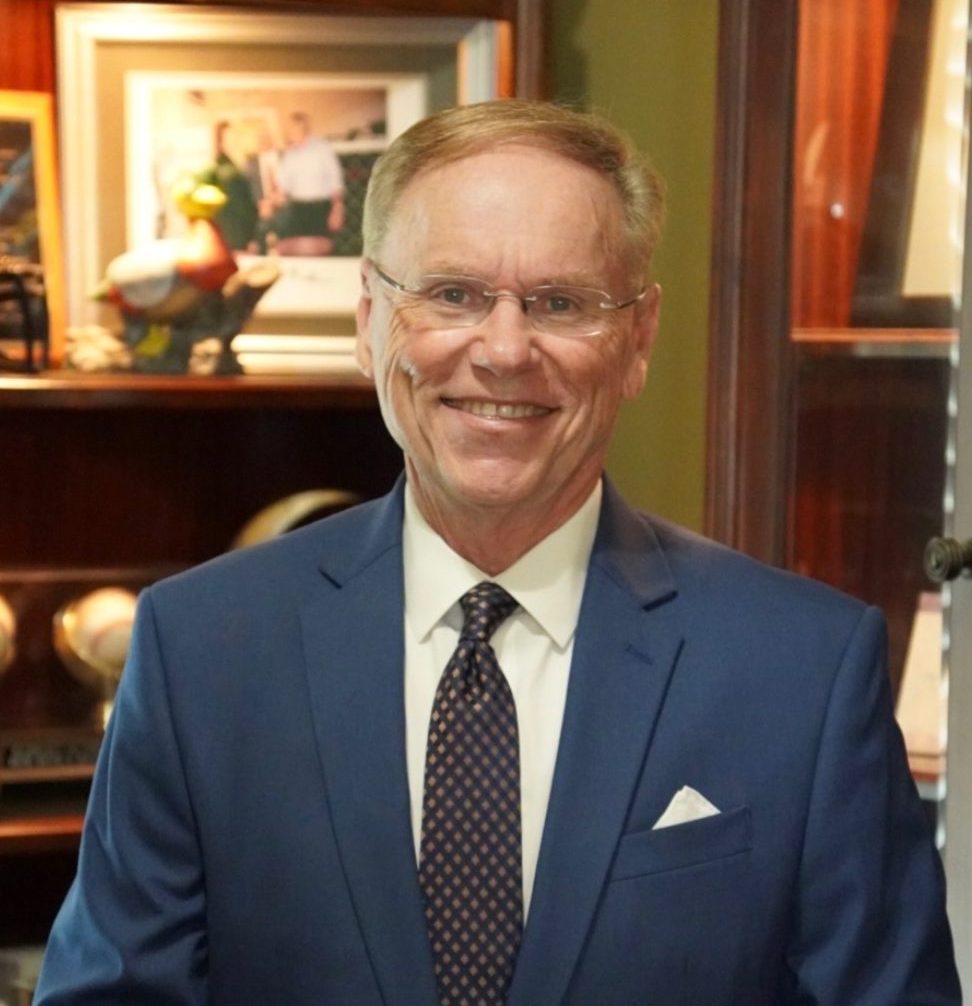
August 29 is a date Ricky Mathews will never forget.
For thousands of Mississippians, it is the same.
On August 29, 2005, Hurricane Katrina devastated the Mississippi Gulf Coast, changing families, communities and an entire region in a matter of hours. Mathews and his family were among those who lived through it, riding out the storm inside their home in Biloxi’s Back Bay.
This August 29, exactly 21 years later, Mathews is marking the anniversary in a very different way. He will release Finding Hope: 25 Lifelines for Life’s Storms, a book shaped by Katrina, as well as by the many other storms he and others have faced along the way.
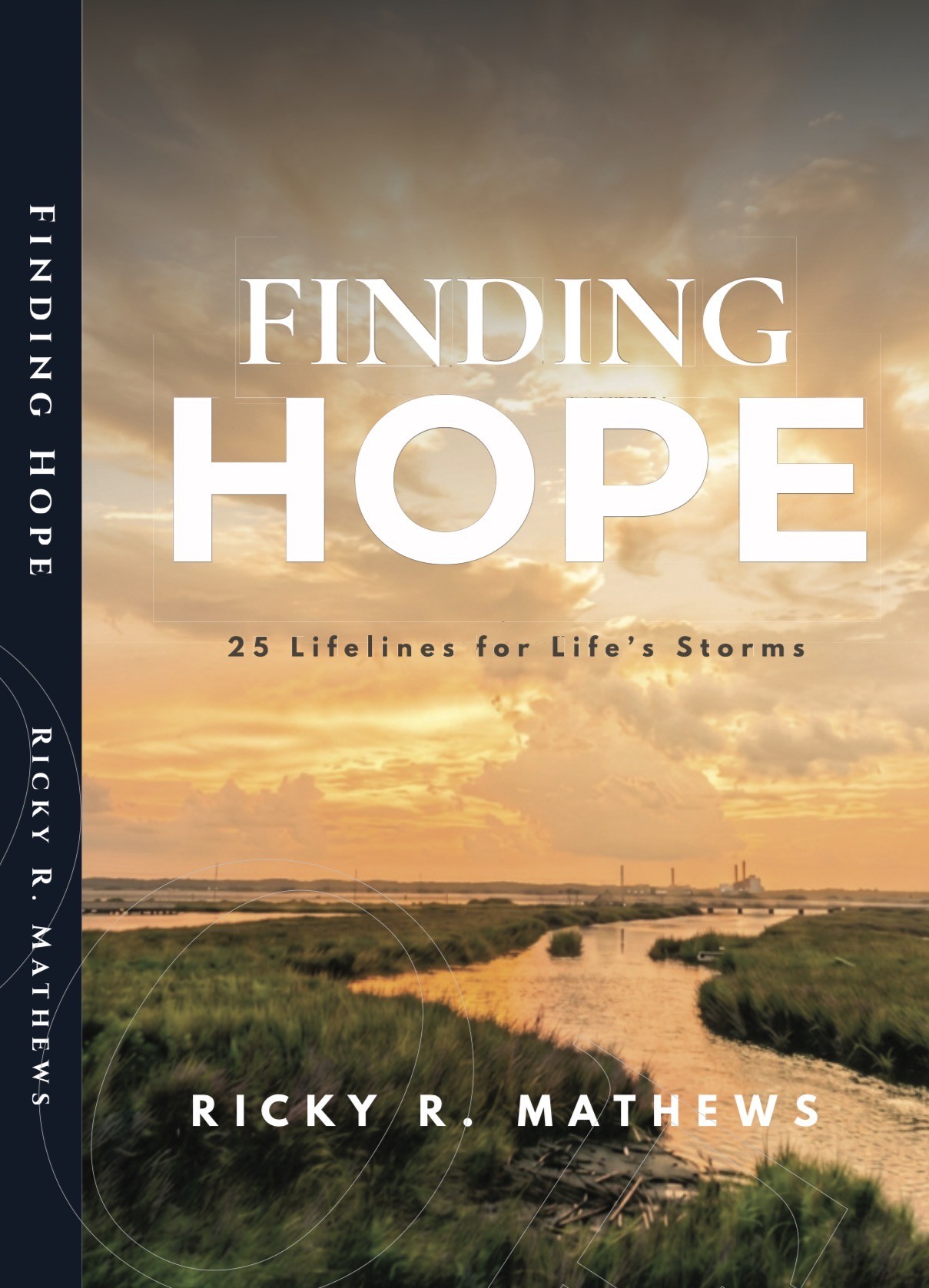
“August 29 will always be a date that marks a before and after in my life, and thousands of other people,” Mathews said. “In 2005, it was the day everything changed for our family and for the entire Mississippi Gulf Coast. Now, 21 years later, it’s become a day of purpose. Releasing the book on that anniversary is intentional. I want the date that once represented destruction to now also represent the power of hope.”
One memory from Katrina, in particular, has stayed with him.
“Yes. We were huddled together as the water rose and ten-foot waves pounded the windows. In that moment, everything that had once seemed important disappeared. The only thing that remained real was the hands we were holding. I used to believe hope arrived after the storm passed. I was wrong. Hope is what kept us alive while the water was still rising.”
It is a lesson that has followed Mathews for more than two decades.
He began writing down lessons after Katrina, although he didn’t know exactly what they would become then. Over the years, those thoughts grew as Mathews experienced challenges of his own and met people whose stories changed the way he thought about survival, resilience and what it means to help someone else keep going.
One of those people was Emma Benoit, who survived a suicide attempt as a teenager that left her paralyzed and now travels the country helping other young people.
“There wasn’t one single moment. After Katrina, I started writing down lessons, but the book didn’t fully find its purpose until years later. Meeting Emma Benoit, a teenager who survived a suicide attempt that left her paralyzed and who now travels the country helping other young people, shifted something in me. I realized the book couldn’t just be about surviving storms. It had to be about turning pain into purpose and then passing hope forward to the next person who needs it. My wife Ann also kept urging me to finish it. She was right.”
That idea eventually became 25 “lifelines,” practical lessons Mathews hopes people can reach for when life becomes difficult.
Some came from Katrina. Others came from much more private experiences.
“The lifelines came from lived experience, mine and the people whose stories I tell. Some were forged in Katrina. Others came from quieter storms like dyslexia, grief, and the hard work of recovery. One that is especially personal is the idea of family as an anchor. When everything else was being stripped away, the hands we were holding kept us grounded. That lesson has never left me.”
Mathews writes openly about his own childhood struggle with undiagnosed dyslexia, something he kept secret for much of his life.
For someone who has spent decades in public-facing roles, sharing that part of his story meant sharing something many people never knew.
“I kept dyslexia a secret for most of my life. There was shame attached to it, and for a long time I believed it made me less than. Writing about it required me to stop hiding. What I discovered is that vulnerability isn’t weakness. It’s often the place where hope begins for someone else. If my story helps even one person feel less alone, then it was worth it.”
Mathews is the former president and publisher of The Sun Herald, The Press-Register and The Times-Picayune. Today, he hosts The Ricky Mathews Show and SuperTalk Outdoors on SuperTalk Mississippi.
But Finding Hope isn’t simply Mathews’ story.
Throughout the book, he shares the experiences of people who have faced addiction, suicide attempts, devastating injuries and other circumstances that changed the course of their lives. They include Benoit, burn survivor and conservationist Ramsey Russell, community leader John Hairston and Todd Trenchard, whose struggle with addiction included 40 failed treatments before he found lasting sobriety.
Hearing their stories changed Mathews’ understanding of resilience.
“It taught me that resilience often looks quieter than we expect. It’s not always dramatic. Sometimes it’s just the decision to get up one more time. A lot of the courage in these stories is the kind no one sees. I also learned that the worst thing that ever happened to someone can become the very thing that helps someone else. That truth shows up again and again in these stories.”
For Mathews, that idea feels especially at home in Mississippi.
“This place teaches you that storms are part of life. You don’t get to choose whether they come. What you do get to choose is how you respond and whether you reach for the people around you. After Katrina, we learned what was in the hearts and souls of Mississippians. The Gulf Coast has shown me over and over that hope is rarely a solo act. It’s something we fight for together, and then pass forward.”
And Mathews doesn’t necessarily want Finding Hope to remain on someone’s bookshelf once it has been read.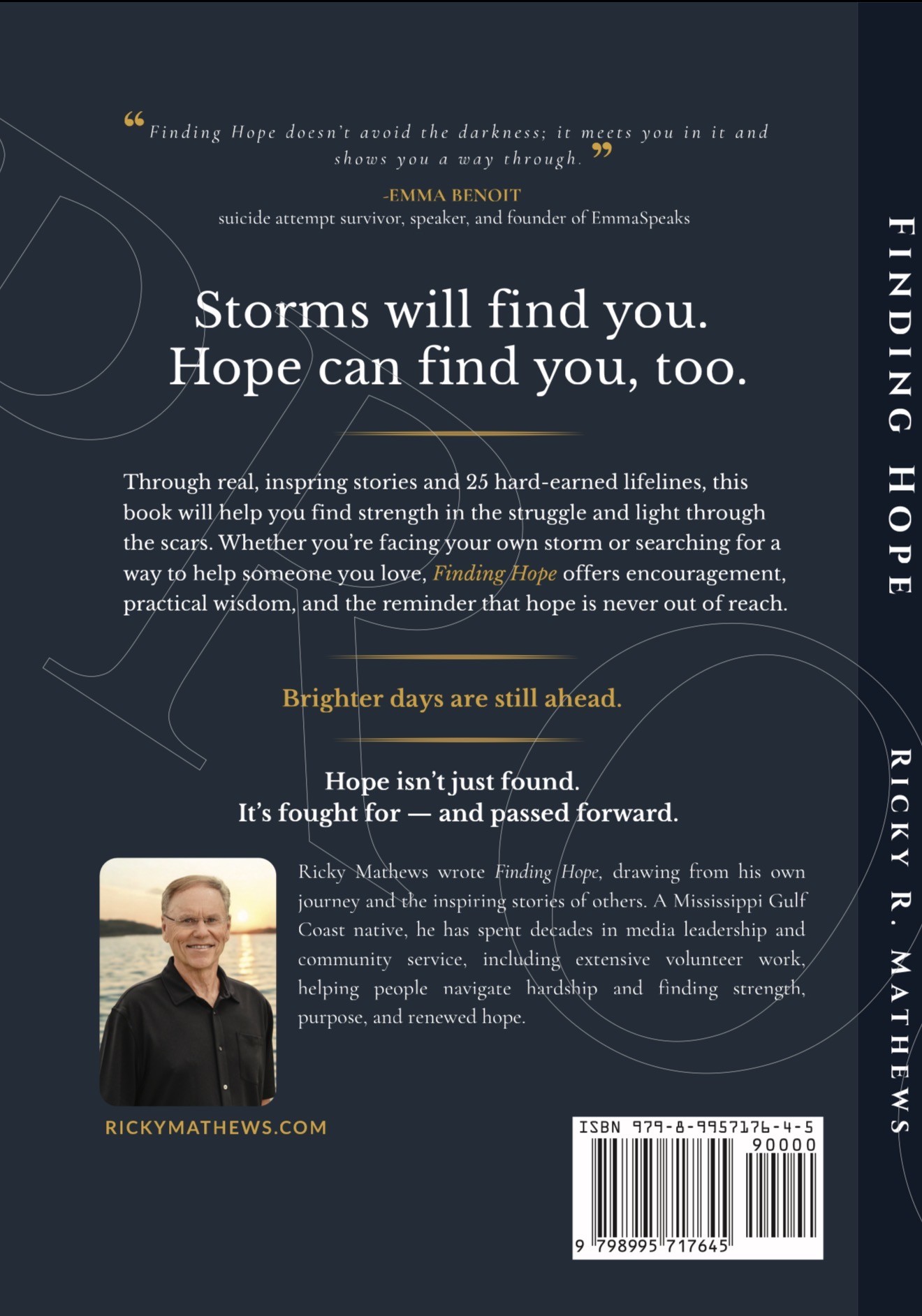
Every copy includes a “Pass Hope Forward” page that invites readers to leave a note and pass the book to someone who might need it.
“The idea grew out of a lot of thinking. As I wrote over a year and a half, bringing together lessons I had been writing down since Katrina, it became clear to me that I wanted the book to help save lives. The idea is simple: hope shouldn’t stop with the person who finds it. I want readers to sign the page, write a short note, and hand the book to someone who needs it next. I hope that these books keep moving, that they travel from one person to another, carrying a message that none of us have to walk through our storms alone. I hope Pass Hope Forward becomes a movement. I’ve actually applied for a trademark.”
The book will also help support two organizations already doing that kind of work. A portion of the proceeds will benefit Hope Squad, a peer-led suicide prevention program in schools, and Palmer Home for Children.
“Both organizations meet people in real storms. Hope Squad works inside schools to prevent suicide by teaching students to look out for one another. Palmer Home gives children who have experienced trauma a safe place and a chance at family. Supporting them felt like a natural extension of what the book is trying to do.”
Mathews has said he wrote Finding Hope as the book he wishes someone had handed him when life felt overwhelming.
Now, he hopes it finds its way to people who are there today — whether their storm is visible to everyone around them or known only to them.
“I hope they know they are not alone, and that hope is still possible even when it feels out of reach. Hope isn’t just found. It’s fought for. And it can be passed forward.”
Finding Hope: 25 Lifelines for Life’s Storms will be released August 29 in paperback, hardcover, and ebook on Amazon and through independent bookstores. A free group discussion guide for churches, schools, nonprofits and small groups will also be available at RickyMathews.com.
